Blinds
How to Clean Venetian Blinds (Timber, Aluminium and PVC)
To clean venetian blinds, close the slats flat, dust them from top to bottom with a microfibre cloth or soft vacuum brush, then flip the slats the other way and repeat. For a deeper clean, aluminium and PVC slats can be wiped with warm water and dishwashing liquid, but timber venetians should only ever get a barely damp cloth, because water warps wood and lifts the finish.
Knowing how to clean venetian blinds comes down to the material, and the dust trick that saves you an hour. If you've got a lot of them, our blind cleaning service handles venetians along with every other blind type.
Timber, aluminium or PVC? Check before you start
| Material | How to tell | Deep clean | Avoid |
|---|---|---|---|
| Real timber | Visible wood grain, warm feel, slats usually 50 mm or wider, often fabric ladder tapes | Barely damp cloth, dry immediately | Soaking, steam, harsh cleaners, the bath |
| Aluminium | Thin, light, cold to touch, slats bend easily | Warm soapy water wipe, or washing flat outdoors | Abrasive pads, which scratch the coating |
| PVC or faux wood | Heavier than aluminium, uniform "grain", slightly plastic feel | Warm soapy water wipe | Hot water and heat sources, which can warp slats |
If you're unsure whether wide slats are timber or PVC, look at a cut end near the cord holes. Real wood shows a grain at the end; PVC looks uniform.
The quick weekly dust
Regular dusting is the single best thing you can do for venetians. Dust left for months combines with moisture and cooking vapour into a sticky film that's much harder to shift.
- Lower the blind fully and tilt the slats closed so they form a flat surface, curved side facing you.
- Dust from top to bottom with a microfibre cloth, a duster or a vacuum with a soft brush on low suction. Work across the whole width so dust falls down, not onto clean slats.
- Tilt the slats the other way and repeat on the back.
- Do the headrail and bottom rail, which collect a surprising ridge of dust.
An old cotton sock or a microfibre glove pulled over your hand lets you pinch each slat and wipe both sides in one pass. It's slower than the flat-slat method but more thorough for a quarterly clean.
How to clean venetian blinds by material
Timber venetians
Dust them, then wipe each slat with a microfibre cloth that's been dampened and wrung until it feels almost dry. Dry each slat straight after with a second cloth. A small amount of a cleaner made for sealed timber is fine if the manufacturer allows it. Never soak timber blinds or use a steam mop near them; we've seen slats cup, split and lose their lacquer from a single wet clean.
Aluminium venetians
These are the most forgiving. Wipe slats with warm water and a little dishwashing liquid, rinse with a clean damp cloth, and dry to avoid spots. Some people take aluminium blinds down and wash them flat on a towel outside with a gentle hose. If you do, support the whole length so slats don't kink, and let the mechanism dry completely before rehanging. Bent aluminium slats rarely straighten fully, so handle them gently.
PVC and faux wood venetians
Treat them like aluminium, but keep the water lukewarm and keep them away from heaters while drying. In kitchens, PVC slats near the cooktop pick up a greasy film: warm water with dishwashing liquid, applied with patience and a few passes, usually lifts it. Yellowing on white PVC is often UV damage rather than dirt, and cleaning won't reverse it.
Melbourne conditions that make venetians dirtier
Where you live changes how quickly venetians get grubby. In bayside suburbs, salt air leaves a faint sticky film on aluminium slats that dust clings to, so a damp wipe every few months helps more than dusting alone. Homes near busy roads collect fine black grime on the window side of the slats.
In bushfire smoke seasons, smoke particles settle on every horizontal surface, and venetian slats have dozens of them. After a smoky stretch, vacuum before you wipe, otherwise you smear the soot across the slat. In winter, condensation on single-glazed windows drips onto the bottom slats and can leave water spots or mould on timber, so open the slats in the morning to let the glass and blind dry.
Cords, ladder tapes and the bits people forget
The lift cords and ladder tapes, the woven strips that hold the slats, get grubby too. Fabric tapes on timber blinds can be dabbed with a barely damp cloth and a drop of mild detergent, then blotted dry. Don't scrub them; they fray. Discoloured tapes on older blinds usually stay discoloured, though, and the honest fix is re-taping rather than cleaning.
Check cords for fraying while you're there. And with young children in the house, make sure cords are secured out of reach with a cleat or tensioner.
Blinds near building work take a beating from fine plaster dust that gets into the tapes and the headrail. Vacuum before you wipe; our guide to cleaning curtains and blinds after renovation dust explains why. If dust is a health concern in your house, see curtains, dust mites and allergies for what cleaning realistically helps.
When to call a professional
For one or two blinds you dust regularly, DIY is genuinely enough. Professional cleaning makes sense when:
- you've got timber venetians that are grimy and you don't want to risk water damage
- kitchen blinds have a thick, sticky build-up of grease
- there are many blinds, or they're in an office or high windows
- mould has appeared on slats near a damp window or bathroom
- you're preparing a rental for an inspection or vacate
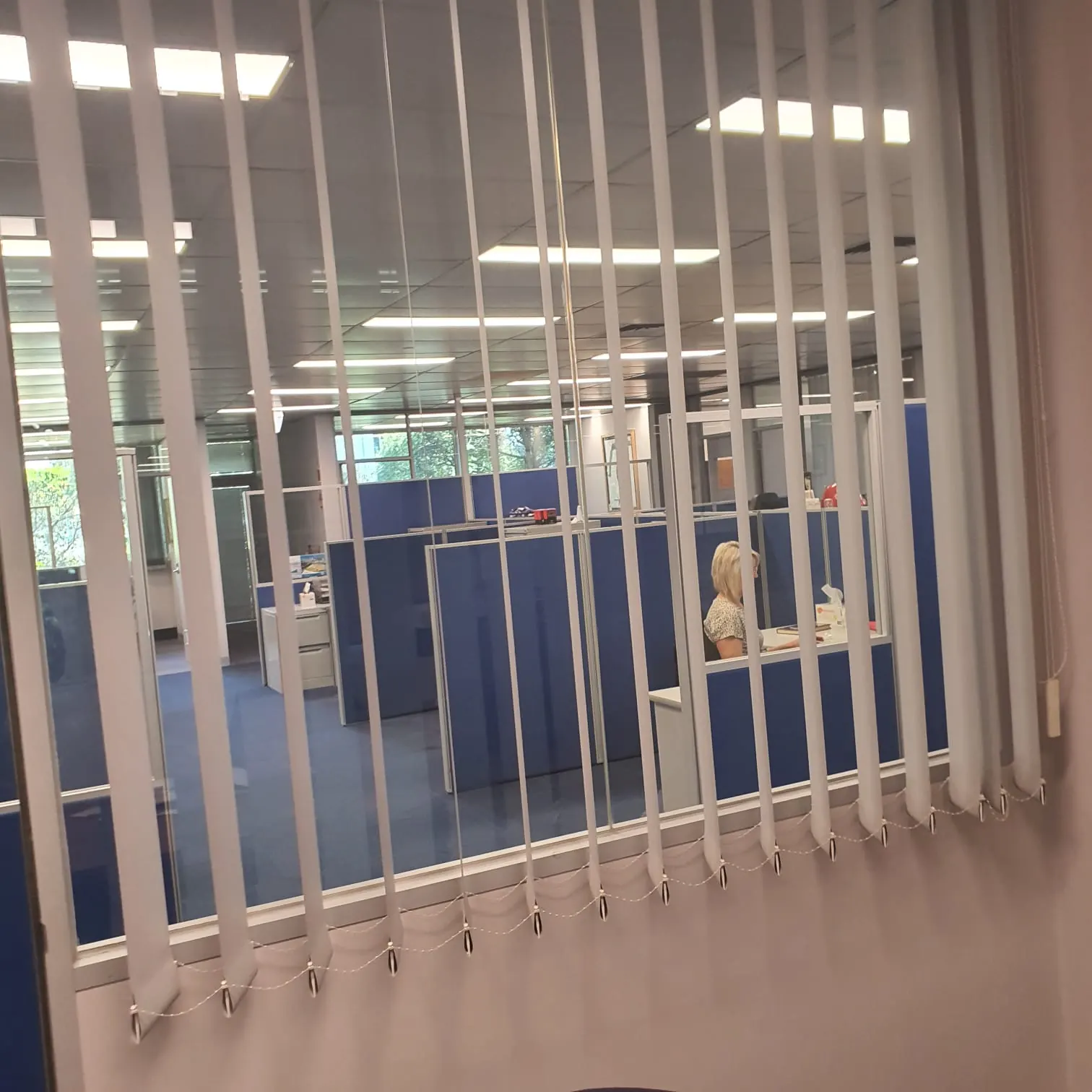
We clean blinds on site, so they stay on the window. If you've got other blind types in the house too, our guides to roller blinds and vertical blinds cover those. Not sure how often any of this needs doing? How often to clean curtains gives sensible intervals for the whole house.
Too many slats, not enough weekends? Leave the venetians to us. Call (03) 7066 4644 or book a free quote and tell us what you've got.