Mould & Stains
How to Stop Window Condensation (and Mouldy Curtains) in Melbourne
How to stop condensation on windows comes down to two things done together: put less water vapour into the air, and keep the glass from getting so cold. In a Melbourne winter that usually means venting steam at the source, running a dehumidifier in the worst room, and adding some form of extra glazing or film to the coldest windows. Wiping the glass helps, but it only deals with water that has already formed.
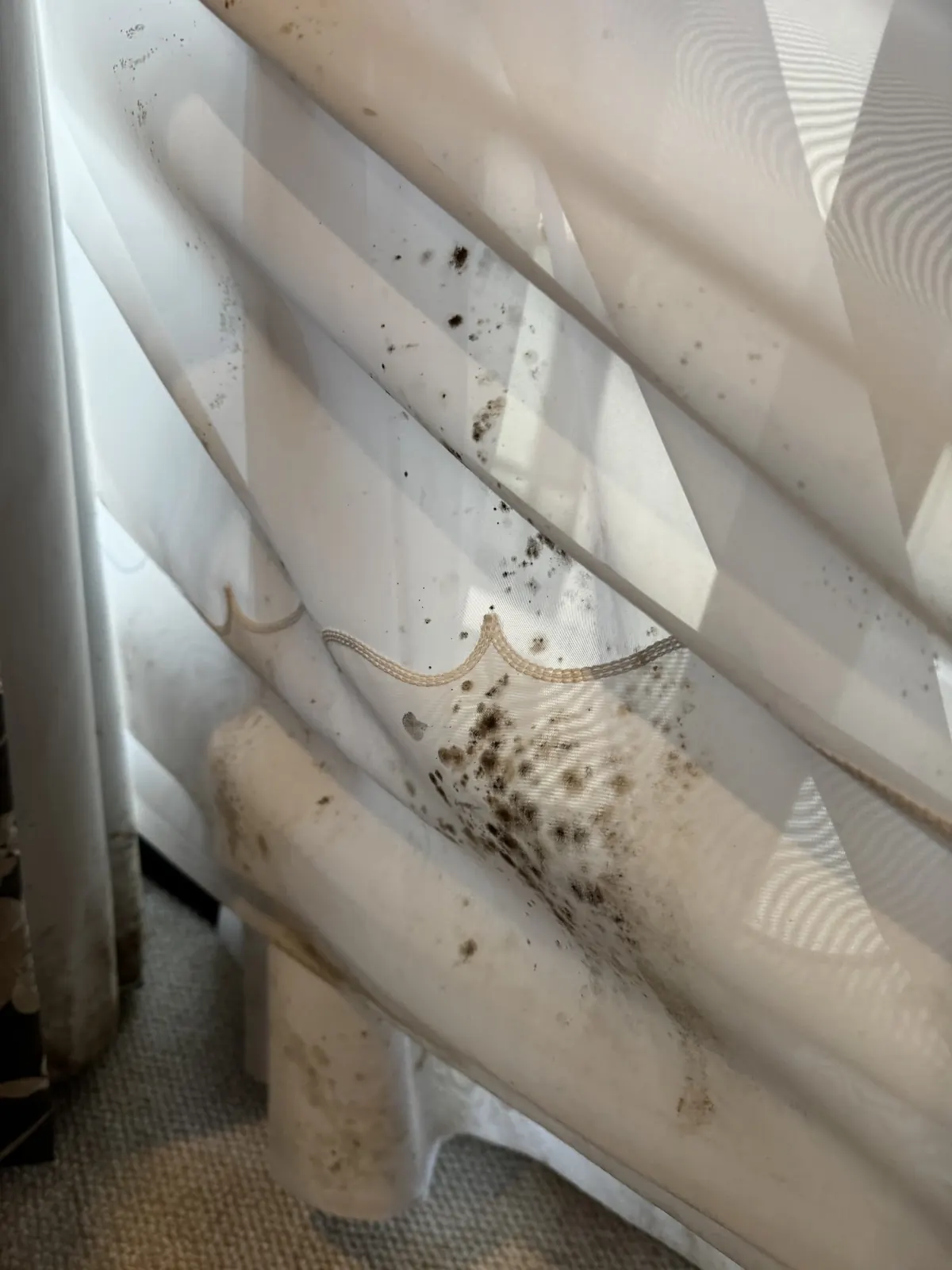
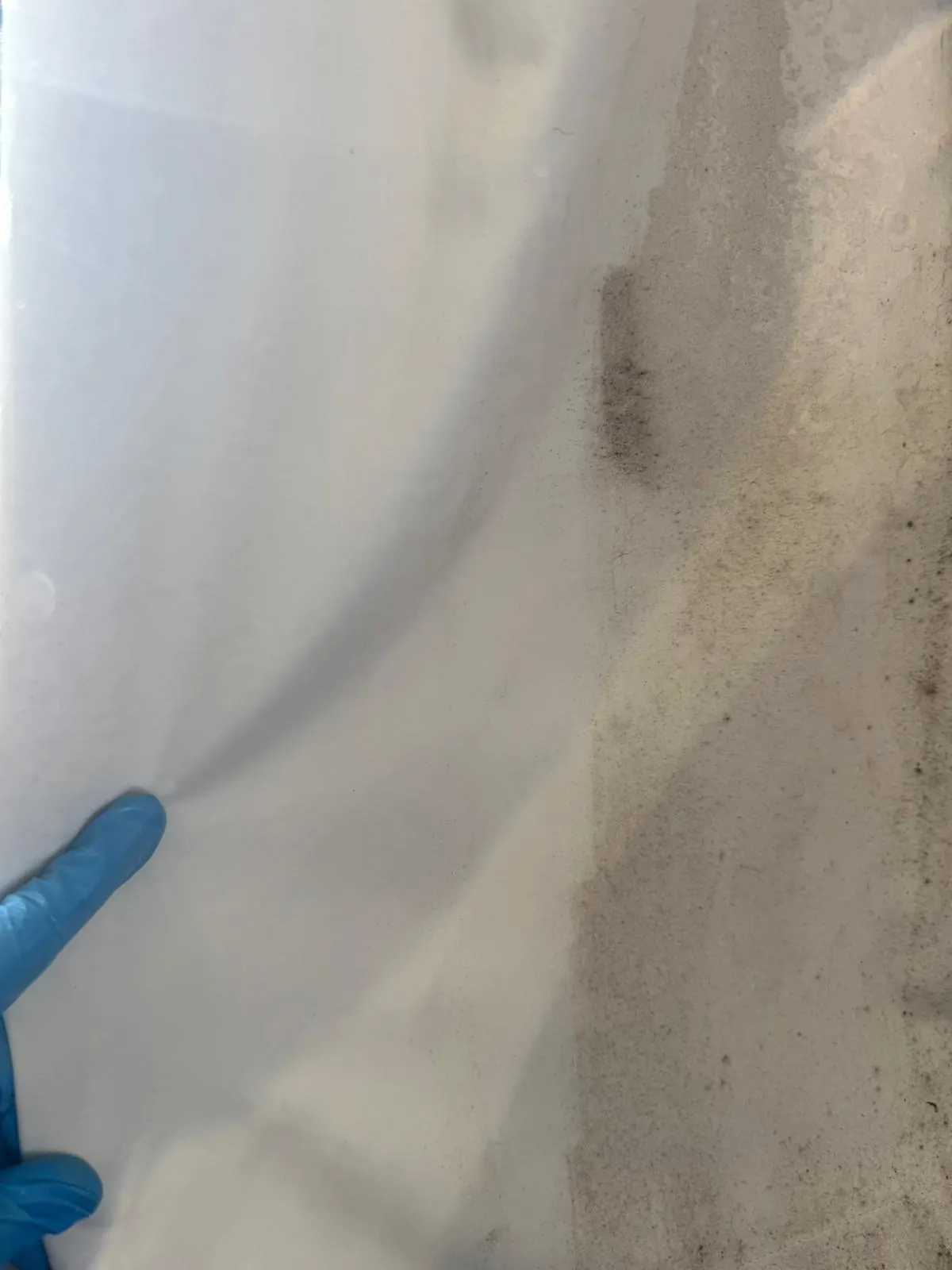
This is the practical, fix-it side of the problem. If you want the background on how wet glass turns into spotted fabric, read why curtains get mouldy first. If the spots are already there, our curtain mould removal service can deal with the fabric while you work on the window.
Start with a five-minute diagnosis
Before buying anything, work out what kind of condensation you actually have. Three quick checks tell you most of what you need.
Which side of the glass is wet?
Run a finger across the pane. If the water is on the outside, that is dew on a cold, clear morning and it is harmless to your curtains. If it is on the inside, the moisture is coming from inside the house, and that is the one to fix.
Is it between the panes?
Fog trapped inside a double-glazed unit, where you can't wipe it from either side, means the seal around the unit has failed. No amount of airing will clear it. That is a job for a glazier, not a dehumidifier.
What is the humidity?
A cheap digital hygrometer from a hardware store is the most useful tool in this whole guide. Put it in the room with the wettest window and check it before bed and first thing in the morning. Readings that sit well above 60 per cent overnight explain a streaming window. If the reading is moderate but the glass still runs with water, the problem is mostly cold glass, and the glazing section below matters more for you.
How to stop condensation on windows by cutting moisture at the source
These are the sources we find most often when we inspect mouldy curtains in Melbourne homes.
- Unflued gas heaters. Portable and wall-mounted gas heaters without a flue release water vapour straight into the room as they burn. Older houses that rely on one often have the worst windows on the street. If you use one, follow the manufacturer's ventilation instructions without exception.
- Clothes airers. A rack of wet washing in a closed bedroom is one of the fastest ways to fog a window by morning. Use the laundry with its door shut and the window cracked, or a vented dryer.
- Showers with the door open. Close the bathroom door, run the fan through the shower and for a good while after, and squeegee the screen so the water goes down the drain instead of into the air.
- Cooking without a lid or rangehood. Lids on simmering pots and a rangehood that vents outside, not a recirculating one, keep a lot of steam out of the living area.
- Sleeping in a sealed room. Two people breathing all night in a small bedroom with the door and window shut is enough to wet single-glazed glass on a cold night.
Ventilate in short bursts, not all day
Leaving a window open all day in July chills the walls and the glass, which can make the next night's condensation worse. A better habit is a short, strong airing: open windows on opposite sides of the house for around ten minutes in the late morning, then shut them and let the heating recover. Dry outside air replaces damp inside air quickly, and the building fabric doesn't have time to cool down.
In CBD, Docklands and Southbank apartments, look for trickle vents in the window frames and keep them open.
Choosing a dehumidifier for a cold room
A dehumidifier is the single most effective appliance for a problem bedroom, but the type matters in Melbourne winters.
| Type | Best for | Watch out for |
|---|---|---|
| Compressor (refrigerant) | Rooms kept fairly warm, such as a heated living area | Collects much less water in a cold, unheated room |
| Desiccant | Cold bedrooms, unheated spare rooms, garages | Uses more power and gives off some warmth |
| Moisture absorber tubs | Wardrobes and small cupboards | Far too small to dry a whole room |
Run it with the door closed so it is drying one room rather than the whole house, empty the tank daily, and place it near the problem window rather than in a corner.
Warm up the glass
Single-glazed timber sashes in Victorian and Edwardian homes get colder than almost anything else in the house. Raising the surface temperature of the glass, even a few degrees, reduces how much water forms on it.
- Window insulation film. Clear shrink film taped to the frame and tightened with a hair dryer creates an air gap. It is cheap, renter-friendly and removable in spring.
- Secondary glazing. A second pane fitted inside the existing frame, often acrylic held by magnetic strips, keeps the original windows and is popular in heritage homes.
- Double glazing. The most complete fix, but the most expensive and not always an option for renters or in heritage overlays.
A curtain trade-off most people don't know about
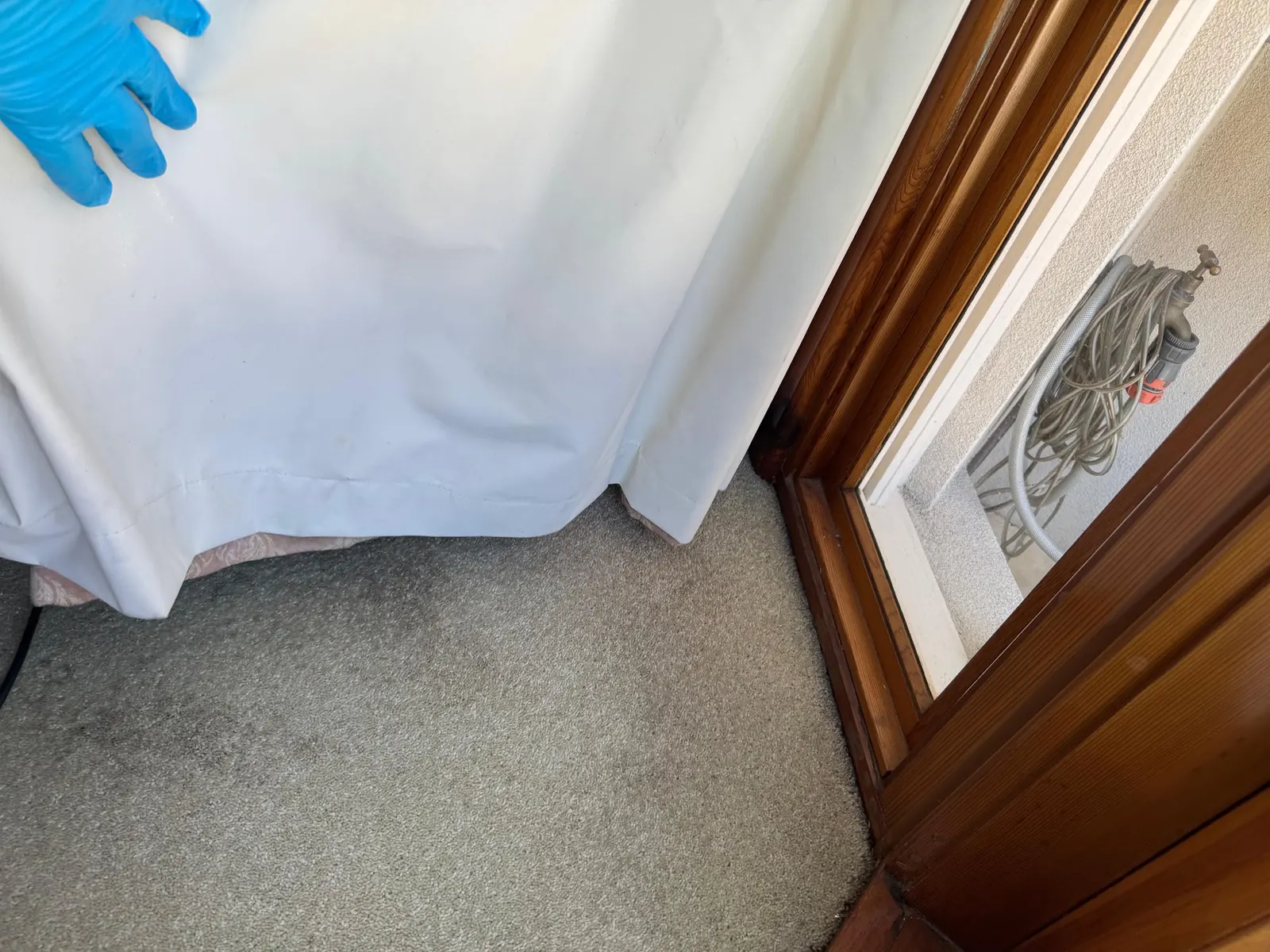
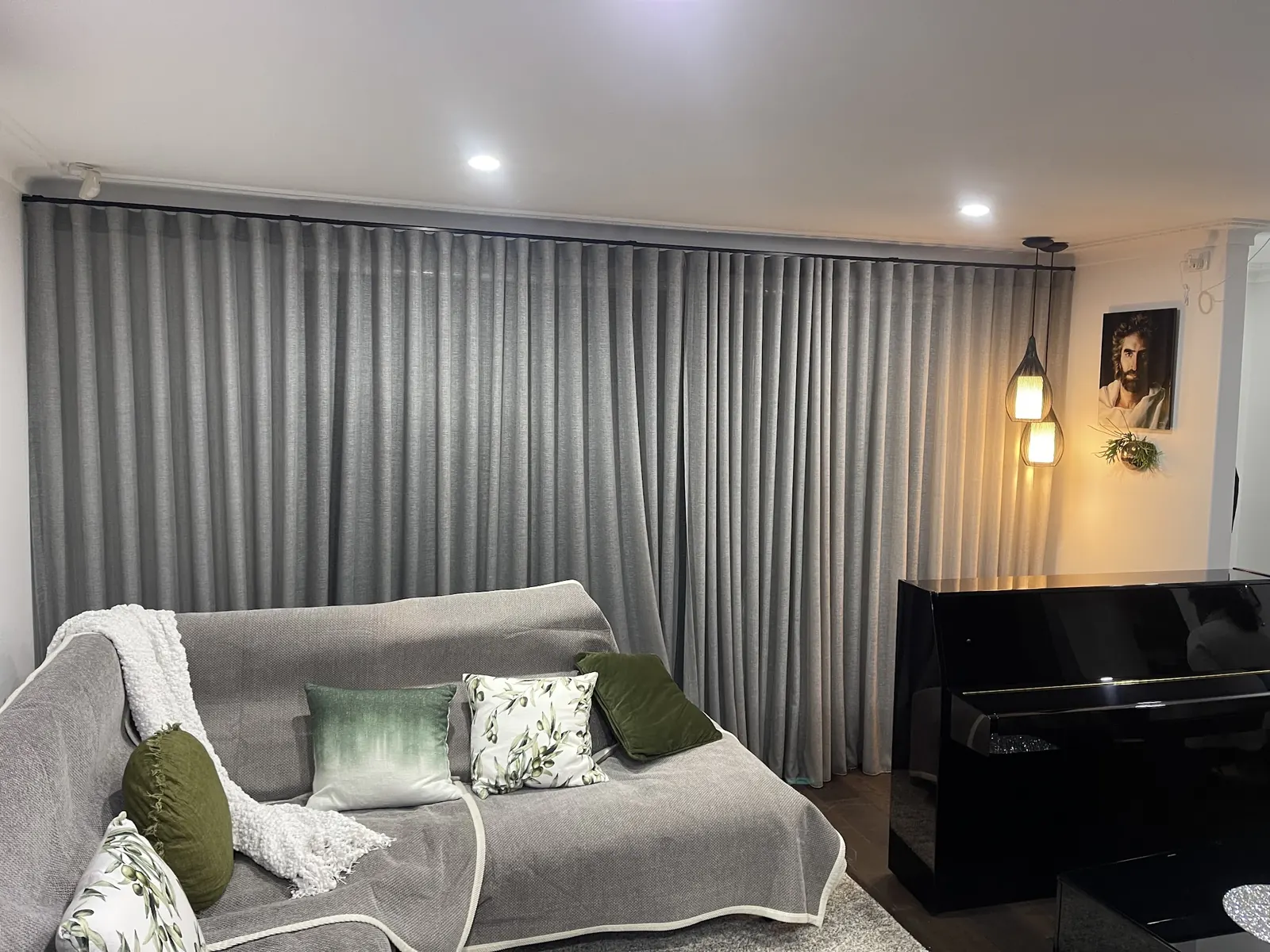
Heavy thermal curtains with a pelmet keep the room warmer, but they also stop room heat reaching the glass. The window behind them gets colder and often wetter. That is fine if you deal with the water each morning, and a problem if you don't. If you have thermal or blockout curtains, check the backing regularly; our guide to mould on blockout curtains explains what to look for.
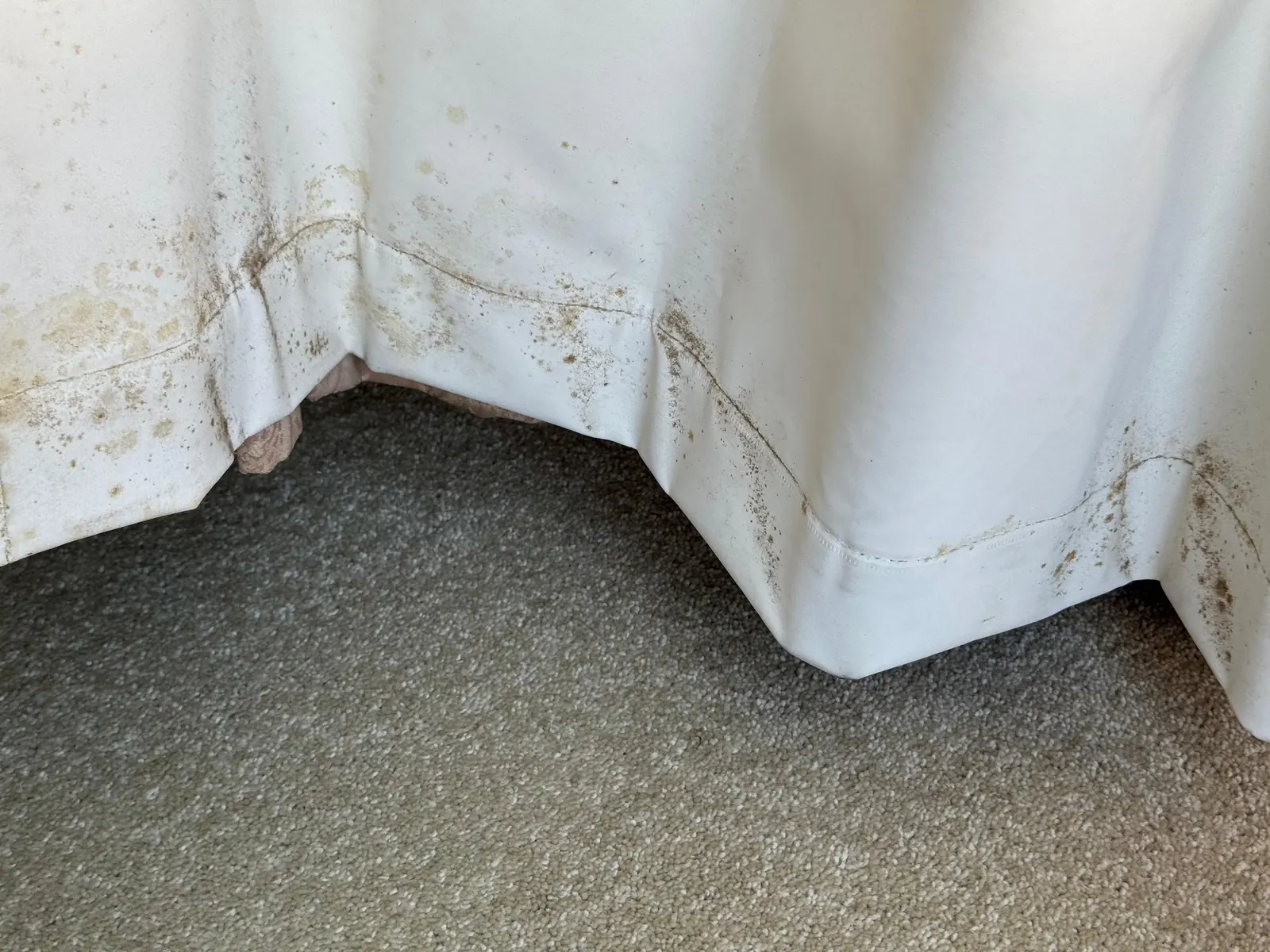
Set up the window so the curtains stay dry
- Collect the water, don't just smear it. A battery window vacuum or a rubber squeegee into a small bowl removes the water. A tea towel wiped across the glass and left on the sill puts it right back next to the hem.
- Lift hems clear of the sill. If a curtain sits on the sill, raise the hooks one position or have it shortened. Fabric touching pooled water wicks it upwards.
- Open everything by mid-morning. Pull curtains and blinds right back so the glass and the fabric can dry. Don't roll a roller blind up while the glass behind it is still wet.
- Keep the fabric clean. Dust and cooking film give mould something to eat. A light vacuum through winter makes a real difference.
If damp has already left a tide line, see how to get water stains out of curtains.
Renting with a window that streams every morning
Renters can do a lot of this without changing the property: a hygrometer, a dehumidifier, removable film, short airings and better habits with washing. If the cause is structural, such as a broken exhaust fan, a leak or a window that won't open, report it to your landlord or agent in writing with dated photos. Check your lease and Consumer Affairs Victoria guidance on mould and damp in rentals.
When to call a professional
You can handle condensation yourself in most homes, and the fixes above are worth doing before anything else. Bring in help for the parts you can't fix with habits: a glazier for fogged double glazing, an electrician or plumber for a dead exhaust fan, and a curtain cleaner once mould has spread across the hem, reached a lining or blockout coating, or keeps returning after home mould treatment. When Danny inspected one customer's mouldy curtains, he traced the mould to condensation and poor airflow and gave them advice on keeping it away; the room felt fresher afterwards. Deep, old mould staining may lighten rather than vanish completely, so the earlier it is treated, the better the result. If anyone at home has symptoms they think are linked to mould, talk to a GP, and see the Better Health Channel for general guidance.
Fixed the window but the curtains still show last winter's mould? Ring Danny on (03) 7066 4644 or send us the details for a free quote. We'll clean the fabric and tell you honestly what we can see at the window.