Sheers & Fabrics
How to Whiten Yellowed or Grey Sheer Curtains
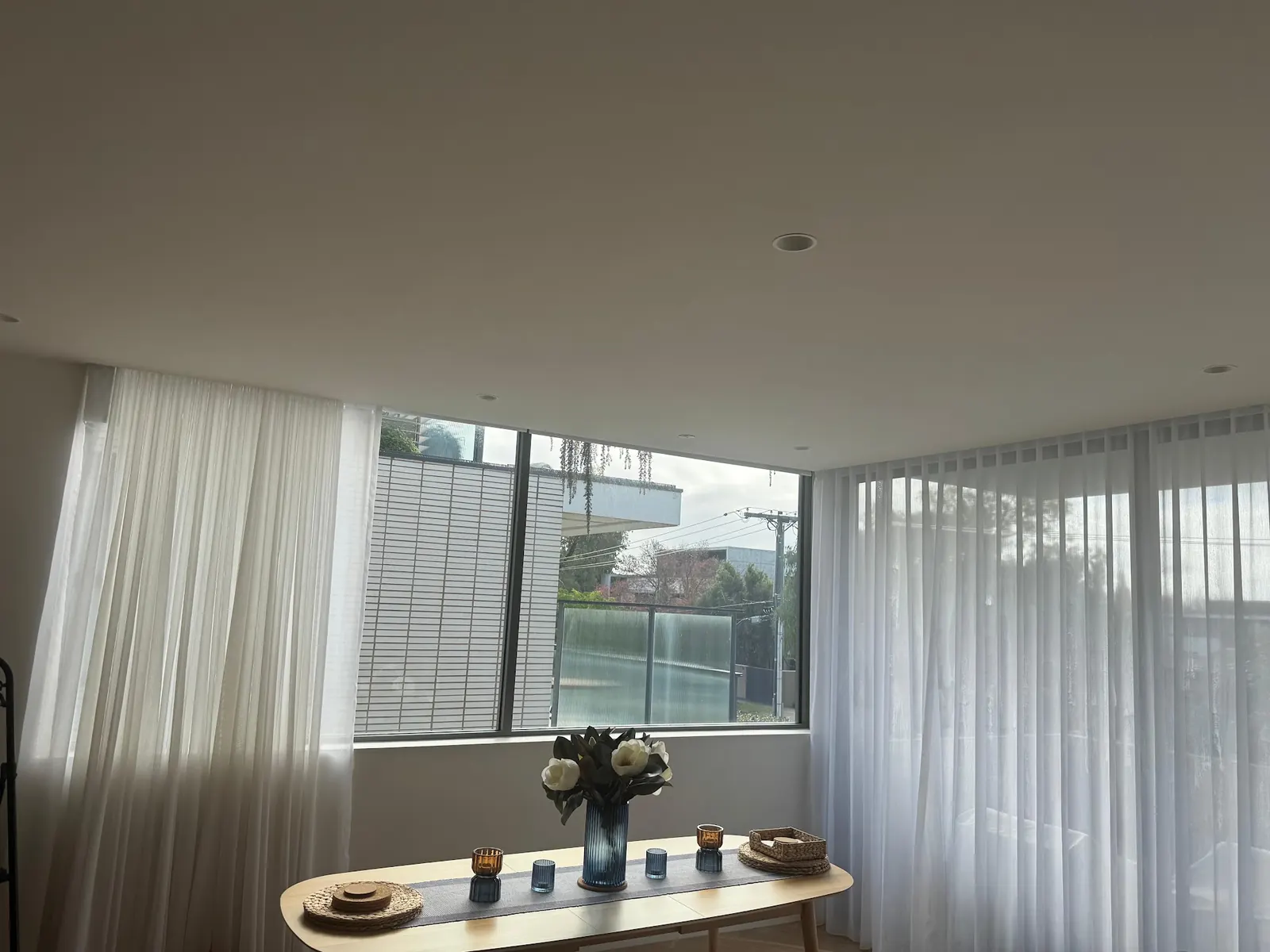
If you're working out how to whiten sheer curtains that have gone yellow or grey, the most reliable method is a long soak in lukewarm water with an oxygen-based whitener (the sodium percarbonate kind sold as "oxy" laundry soakers), followed by a gentle wash and two good rinses. Most dull sheers are carrying dirt, cooking film or old detergent rather than permanent damage, so they often brighten noticeably. If the yellowing comes from sun damage or age, though, no soak will fully reverse it.
So the first job is working out which kind of yellow you've got. Below is how to diagnose it, the safest home method, what to skip, and when our sheer curtain cleaning service is the better bet.
Why white sheers go yellow or grey
Before you buy anything, find the cause. It decides whether whitening will work at all.
| Cause | What you'll see | Will whitening help? |
|---|---|---|
| Dust and street grime | An even grey cast, worst near doors and windows that open | Usually, yes |
| Cooking and heater residue | A yellow, slightly tacky film, worst near kitchens | Usually, with a long soak |
| Cigarette or bushfire smoke | Yellow-brown tinge plus a stale smell | Often improves; may take more than one go |
| Detergent and softener build-up | Dull, greyish, slightly stiff fabric | Yes, with thorough rinsing |
| Condensation and mould | Grey or black spots along the hem | Spots lighten; deep staining may remain |
| Sun (UV) damage | Yellow on the window side, fabric thin or papery | No, the fibre itself has changed |
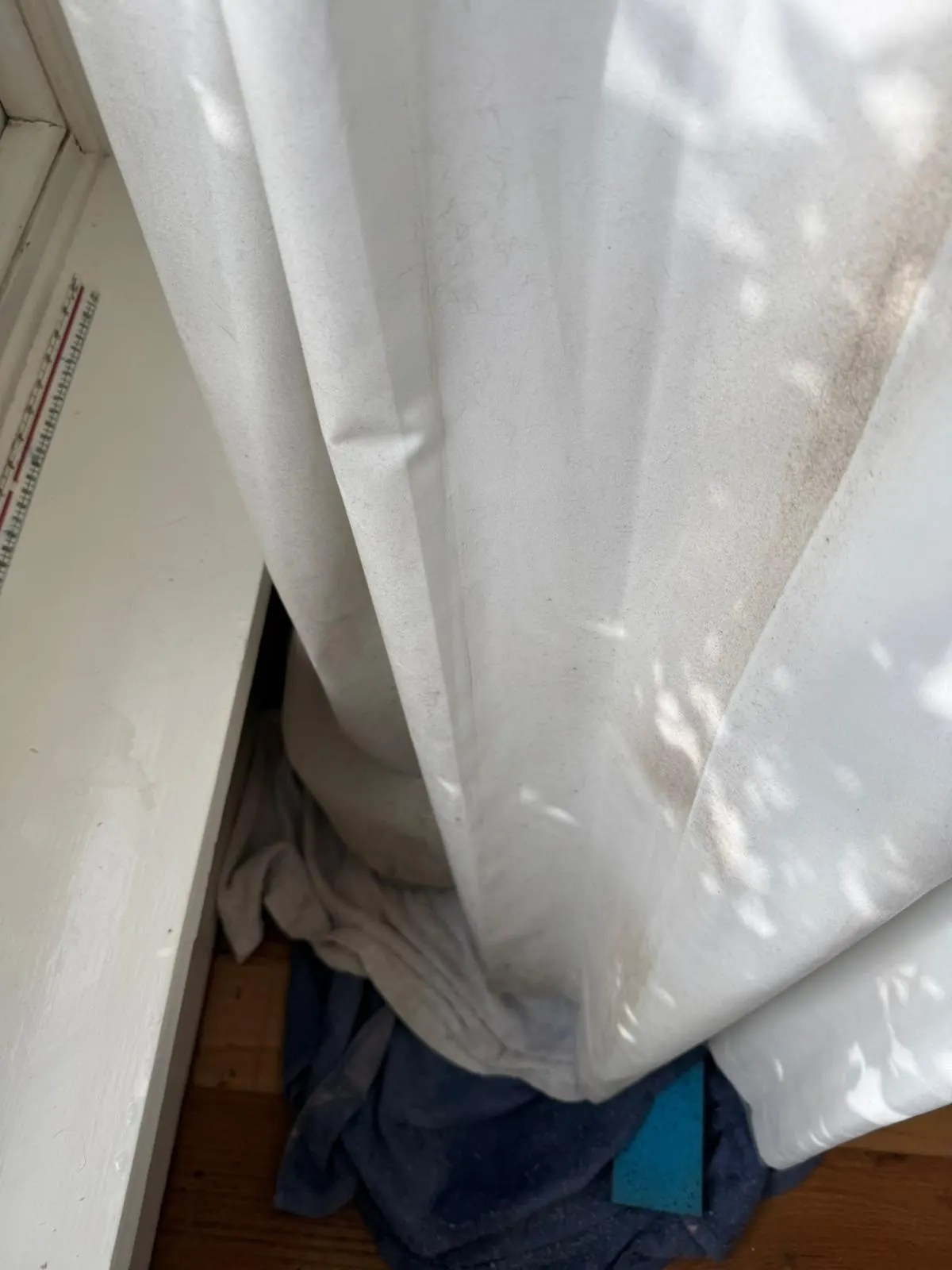
A quick test: compare a hidden part, such as the inside of the hem fold or the side return that wraps toward the wall, with the window-facing side. If the hidden parts are white and the exposed parts yellow and brittle, the sun has done it. If everything is evenly dingy, it's mostly dirt, and that's good news.
How to whiten sheer curtains at home
This method suits washable polyester sheers that are still strong. Check the care label first and test the soak on a hidden corner.
- Take them down and shake them out outside to get rid of loose dust. Remove the hooks.
- Rinse first. A plain cool-water rinse in the laundry tub or bath pulls out a surprising amount of grey before you add any product.
- Make the soak. Dissolve the oxygen whitener in lukewarm water at the strength on the packet. Lukewarm, not hot: heat can shrink blends and set some stains. Stay within the temperature on the care label.
- Soak for a few hours. Push the fabric under and move it gently now and then. For heavy yellowing, people often soak overnight; only do that if the product directions allow it.
- Wash gently. A cold or lukewarm delicate cycle in a mesh bag, mild detergent, no fabric softener.
- Rinse twice. Residue left in the weave is what makes sheers go grey again quickly.
- Rehang damp on the track to dry, with a window open if the weather allows.
If you're not sure how your fabric will cope with a full wash, start with our general guide on how to clean sheer curtains.
What about bicarb, vinegar and lemon juice?
Home remedies get plenty of airtime online. A splash of white vinegar in the final rinse can help strip detergent build-up, and bicarb in the wash is gentle, but neither is a strong whitener on its own. Lemon juice and a day in full sun can lighten marks, yet strong UV is exactly what weakens sheer fibres in the first place, so we don't recommend baking delicate sheers on the line.
Use one product at a time, and never mix vinegar or ammonia with bleach.
Why chlorine bleach is a bad idea
It looks like the obvious fix for white fabric, but chlorine bleach weakens fibres, can turn some synthetics yellow rather than white, and is harsh on stitching and weighted hems. On a sheer that's already thin, it can be the thing that finally makes it split.
Yellowing that won't come back to white
We'd rather be straight with you than promise a miracle. These usually improve but rarely return to showroom white:
- Sun-rotted sheers. If the fabric is brittle on the window side, cleaning can't rebuild the fibre, and washing may tear it.
- Old mould staining. Mould can leave a mark in the fibre even once the growth is gone; it usually lightens rather than vanishes. Read how to remove mould from curtains before trying anything strong.
- Years of smoke. Long-term smoke can leave a tinge that needs repeated cleans. Our guide to getting smoke smell out of curtains covers the odour side.
- Heat-set stains. Marks that went through a hot wash or the dryer before being treated can be permanent.
Mould isn't always the end, mind you. One customer was worried the mould on her sheers was there for good; it came out with a professional clean.
How to keep sheers white for longer
- On cold Melbourne mornings, wipe condensation off the glass and open a window or run the exhaust fan for a few minutes so damp sheers can dry out.
- Where the track allows, keep sheers a little away from the glass so they aren't soaking up water every winter night.
- Vacuum them lightly every month or two, before dust has a chance to bond with cooking film.
- Close windows on smoky days in bushfire season, and wash sheers sooner if they've been exposed.
- Skip fabric softener; it coats the fibres and attracts dust.
- Get into a routine. Our guide on how often to clean curtains suggests a sensible schedule.
When professional whitening makes sense
A home soak is worth trying first on sturdy polyester sheers. Bring in a professional when the sheers are too big to soak in a tub, when they're linen, silk or labelled dry clean only, when there's mould you can't shift, or when they're old and you'd be upset if they tore.
A professional can also tell you whether your sheers are worth cleaning at all, which saves paying to clean fabric that's near the end of its life. We clean sheers on the track or take them away for an off-site clean, depending on the fabric. One customer whose sheers and roller blind we cleaned said Danny "managed expectations so well", and that's the point: you should know what's realistic before work starts.
Want your sheers bright again without the guesswork? Ring (03) 7066 4644 and tell us what you're dealing with, or send the sizes through our quote page. The quote is free, and you'll get an honest view on how white they're likely to come up.