Renters & Businesses
Curtain and Blind Cleaning for Airbnb and Holiday Rentals

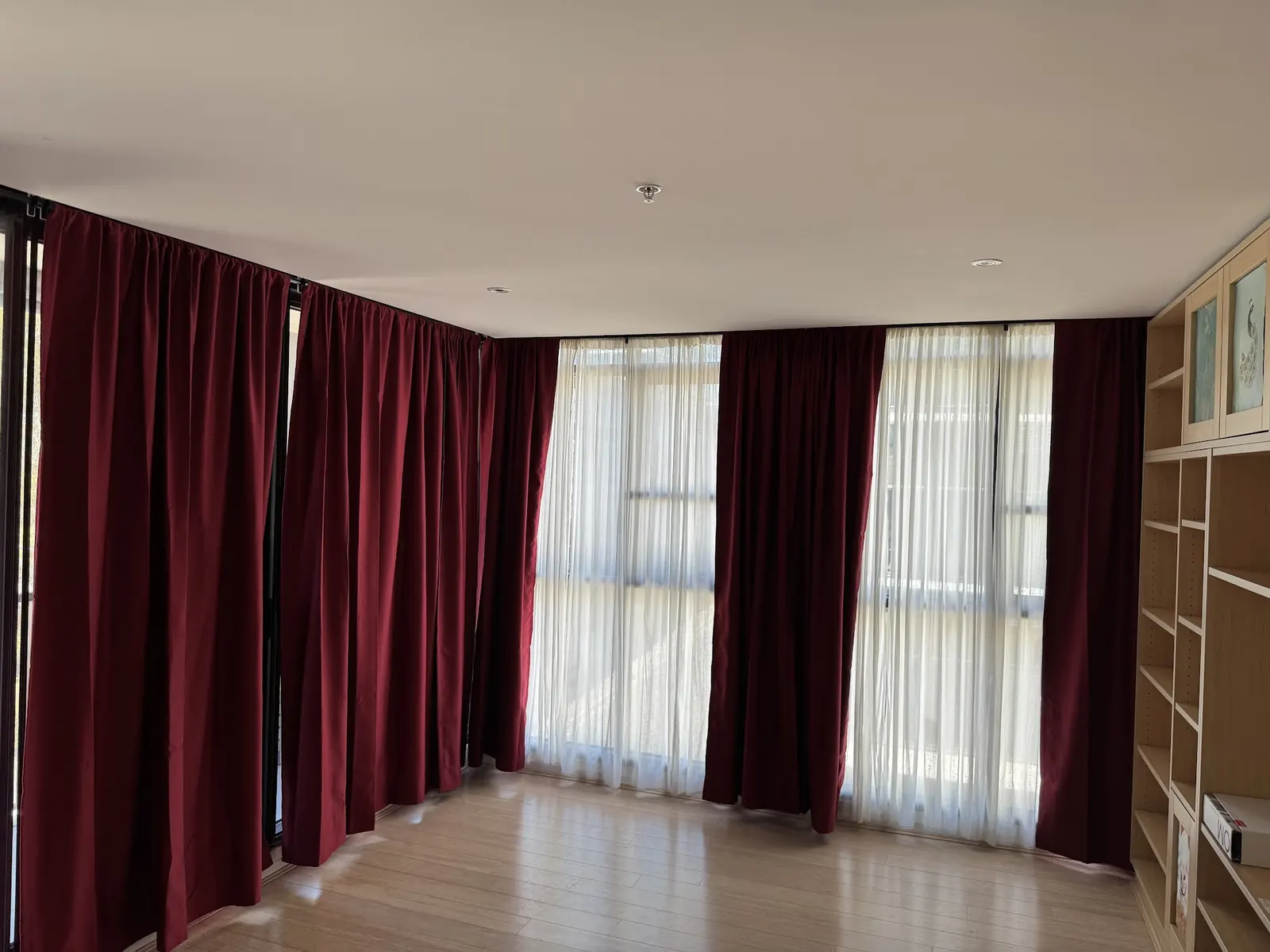
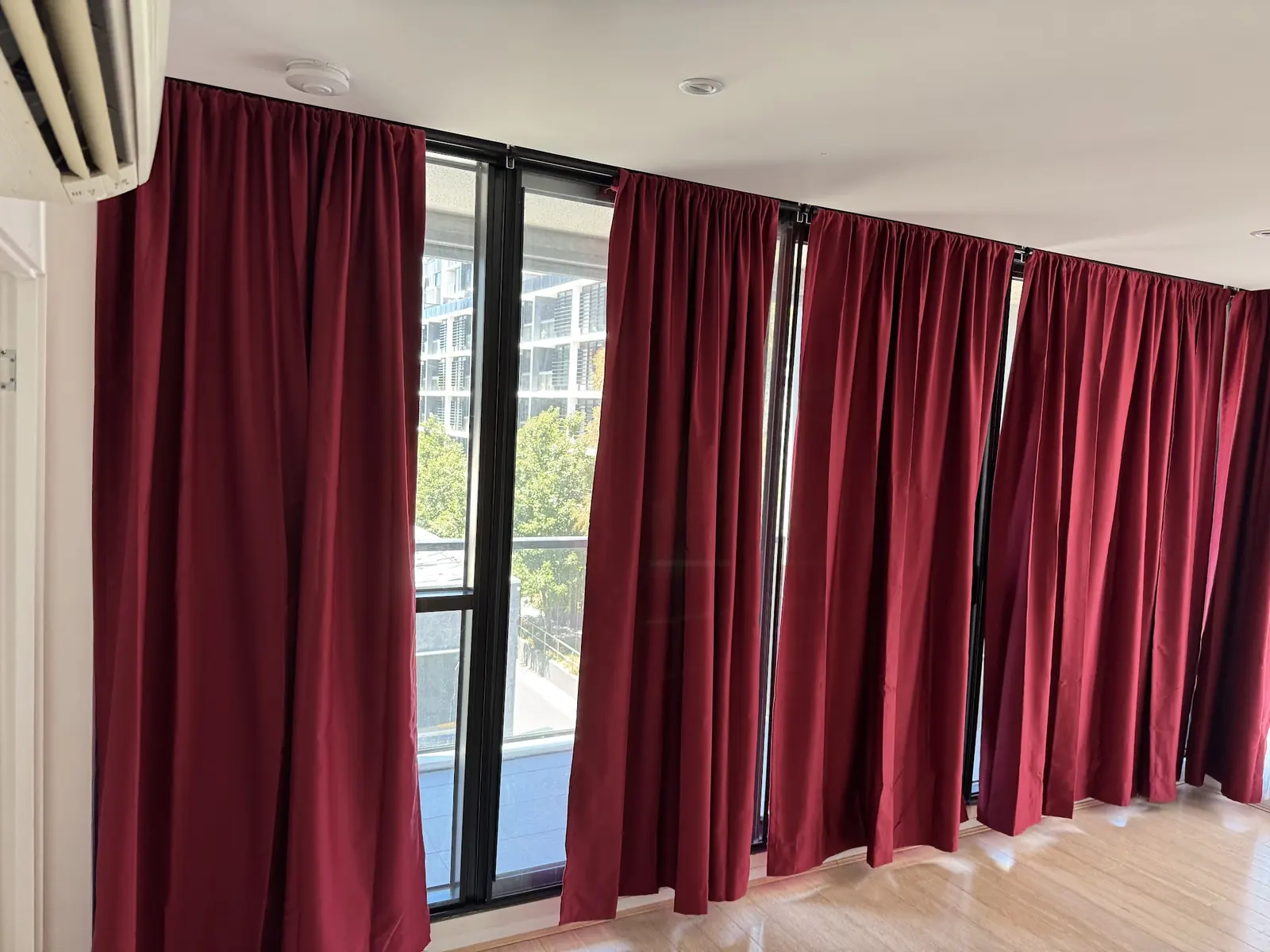
Airbnb curtain cleaning works best as a scheduled job booked into a gap in your calendar, not something squeezed in on changeover morning. Plan a full professional clean of curtains and blinds every so often (the busier and more beachside the property, the sooner), and do quick checks for smell and marks at every turnover in between. The goal is simple: no guest should ever be able to smell the last one.
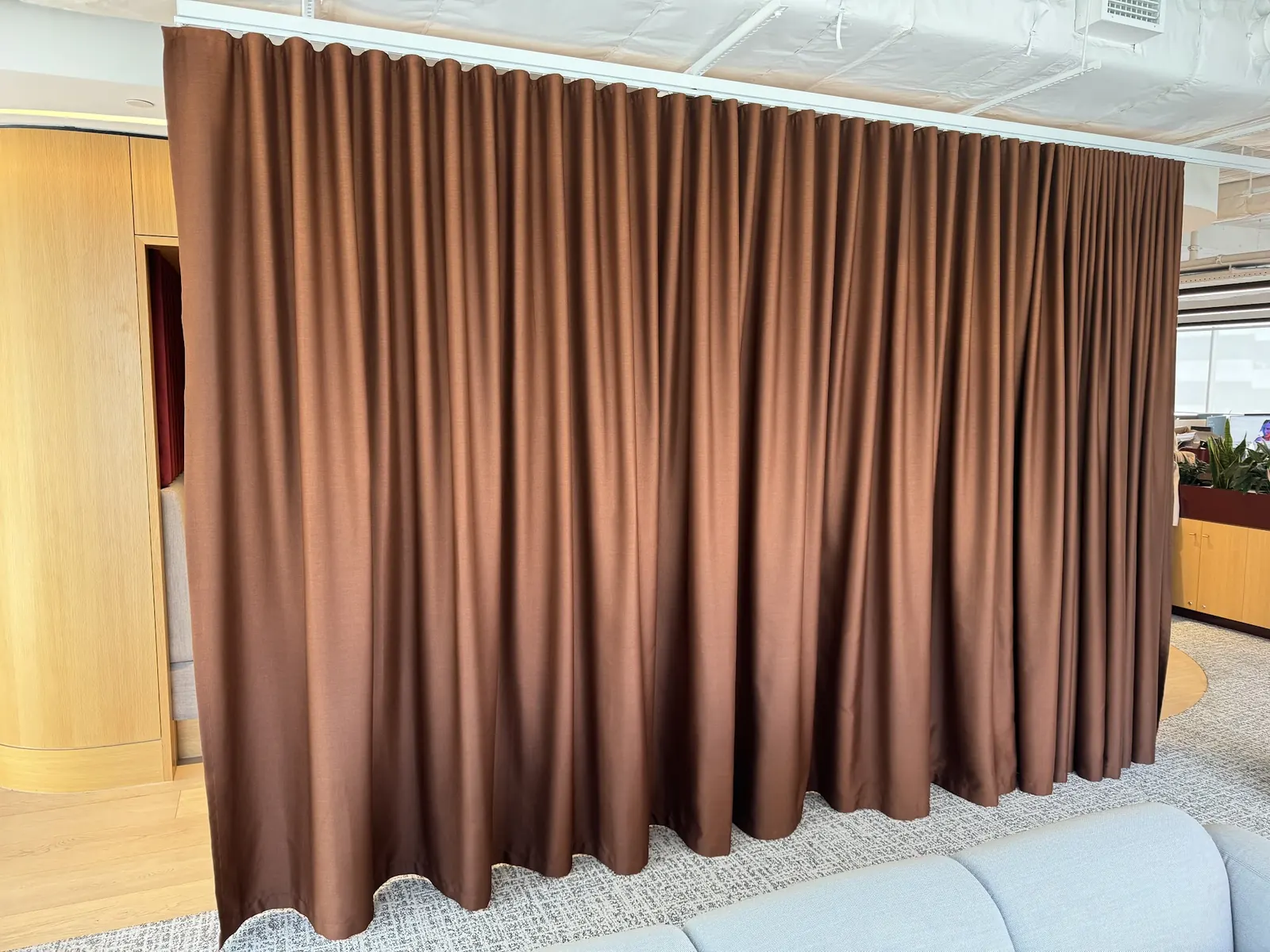
Short-stay hosts face a different problem to homeowners. Your curtains are handled by strangers, judged by people who arrive expecting hotel standards, and rarely given a rest. Here's how to keep them guest-ready without losing booked nights, and where our commercial curtain cleaning service fits in.
Why short-stay curtains wear out faster
A family home might draw the bedroom blockouts twice a day. A one-bedroom apartment on a busy listing sees a different set of hands every few nights, and guests don't treat the fabric gently because it isn't theirs.
The patterns we see in holiday lets are fairly consistent:
- Grubby leading edges. The vertical edge where people grab to pull the curtain across goes grey at hand height first, often with a tide of fake tan, sunscreen or make-up.
- Smells that cling. Cooking, perfume, wet towels dried over chairs, and the occasional guest who smoked on the balcony with the door open. Fabric holds all of it.
- Balcony-door sheers. They blow out onto dusty balconies, get trodden on and pick up grime along the hem.
- Condensation in small apartments. Guests run hot showers and close every window. In CBD, Southbank and Docklands towers with little cross-ventilation, that moisture ends up on the glass and in the curtain hem over winter.
Bayside properties add salt air and sand. In St Kilda, Elwood and along the beach strip, a fine film builds up on sheers and blinds that makes them look dull well before they look dirty.
The changeover sniff test (and other quick checks)
Your cleaner probably vacuums, makes beds and wipes surfaces. Curtains tend to get a glance at best. Add these to the turnover checklist; together they take a couple of minutes.
- Close every curtain fully. Marks hide in the folds when curtains are stacked open. Drawing them across shows the whole face.
- Smell the leading edge at head height. Hold a handful of fabric to your nose. Your own nose adjusts to a place within minutes, so do this first, as you walk in, before you've been inside long.
- Check the bottom 30 centimetres. Look for damp, black spotting or a tide line, especially on window-side linings in winter.
- Run the blinds up and down. A roller blind that tracks crooked or a vertical blind with a missing vane looks careless in listing photos and gets mentioned in reviews.
- Note it, don't fix it, if it's big. A small fresh spill can be blotted. A stain on blockout or a smell in heavy drapes needs a proper clean, so log it and book one for the next gap.
If a guest left a strong odour, our guides to getting smoke smell out of curtains and pet hair and smells explain what you can try first and when it won't be enough.
Airbnb curtain cleaning: what to fix now and what can wait
Not every problem justifies blocking out a night. Use this as a rough triage between a turnover fix and a professional clean.
| What you find | At the turnover | Book a clean when |
|---|---|---|
| Fresh drink spill on sheers | Blot with cool water, don't rub | A mark remains once it dries |
| Make-up or fake tan on the leading edge | Leave it; rubbing spreads the oil | Soon, before it oxidises and sets |
| Stale or smoky smell | Air the room, open windows | It's still there next visit |
| Black spots near the window | Wipe the glass and sill dry | Straight away; mould spreads |
| Sand and salt film on sheers | Gentle vacuum on low suction | Fabric looks grey even after vacuuming |
| Pet hair after a pet-friendly stay | Lint roller on the hem and edges | Smell lingers or hair is woven in |
One honest caution on make-up and self-tanner: these are oily, and a turnover cleaner scrubbing with a wet cloth usually leaves a bigger, paler ring than the original mark. Leaving it for a proper treatment generally gets a better result.
Booking the clean around your calendar
This is where hosts lose money if they get it wrong. Curtains cleaned on site need time to dry before they're drawn, folded back or slept beside, and that drying time depends on the fabric, the weather and how much air moves through the apartment. Don't book a steam clean for the morning of a 3 pm check-in and hope for the best.
Practical ways to fit it in
- Block one quiet night. A midweek night in the off-season costs far less than a bad review. Cleaning the day before a blocked night gives the fabric a full evening and morning to dry with the windows open.
- Pair it with other maintenance. If you're already closing the calendar for a carpet clean, painting touch-ups or a deep clean, add the curtains and blinds to the same window.
- Consider off-site for the bedroom. If blockouts are heavily marked or labelled dry clean only, taking them away and rehanging them may suit better. One customer handed curtains over one day and had them back cleaned the next, though timing always depends on the job.
- Keep a spare set. For larger holiday homes, a second set of sheers in the linen cupboard means the windows are never bare while one set is away.
Our guide to how long curtains take to dry goes into what speeds drying up and what slows it down, which helps when you're choosing which night to block.
Blinds, blockouts and the bits guests notice
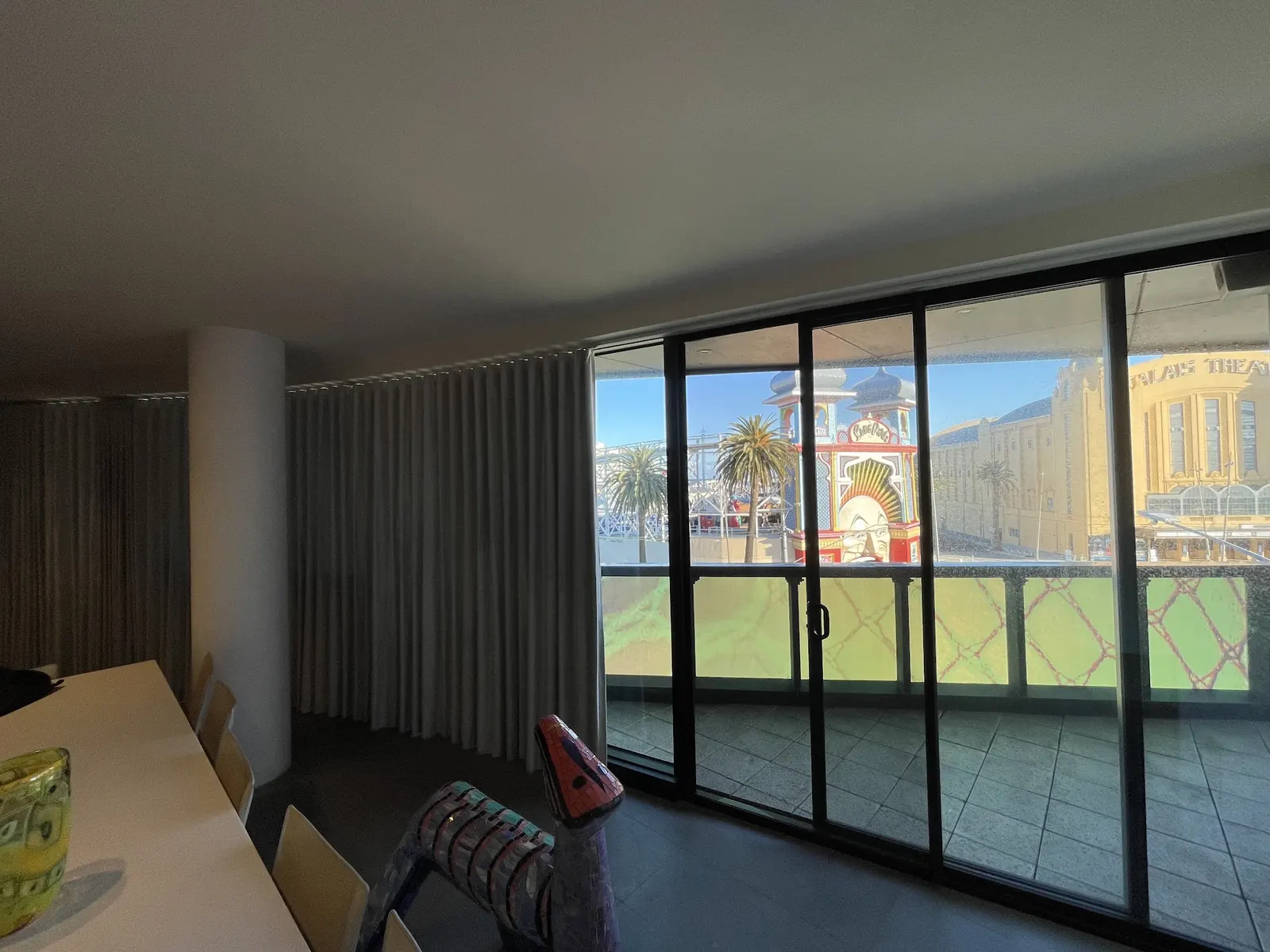
Guests photograph the view. In a St Kilda or Port Melbourne apartment, that means the window, and whatever is hanging in front of it ends up in the picture. A grey sheer or a stained roller blind is very visible at full zoom.
Bedroom blockouts matter for a different reason: guests rely on them to sleep. If the coating is cracking or the curtain no longer closes properly, a clean won't fix that, and it's better to know before a guest complains. Blockout backing can crack with age, and cleaning won't rebuild it.
Blinds in holiday lets get yanked rather than operated. Roller and sunscreen blinds in particular pick up finger marks along the bottom bar and the edges. Our guide on how to clean roller blinds covers safe spot cleaning between professional visits; the blind cleaning page covers everything else.
Pet-friendly listings deserve a mention. A customer who bought a home where the previous owner's animals had left the holland blinds filthy and smelly had them come up like new, with the smell gone. That kind of result is often possible, but a property that welcomes pets should expect to clean more often.
When a professional clean makes sense (and when it doesn't)
Plenty of short-stay upkeep is a host job. Monthly vacuuming with a brush attachment, airing rooms between guests, wiping condensation off glass and blotting fresh spills will stretch the gap between cleans a long way. There's no need to book a professional because one guest cooked garlic.
Call someone in when a smell survives a good airing, when there's mould, when oily marks are on the leading edges, when the curtains are too high to take down safely, or before peak season so the property photographs well. If you manage several properties, ask for each one quoted separately so you can see the cost per listing. Cost depends on measured area, fabric, condition and method; our curtain cleaning cost page explains how that works.
For a wider view of timing, the guide on how often to clean curtains gives a sensible baseline, and a busy listing should sit at the shorter end of it.
Got a gap in your booking calendar? Call (03) 7066 4644 with the property address and a rough idea of the windows, or request a free quote online and we'll work around your next check-in.