Sheers & Fabrics
How to Clean Pinch Pleat Curtains and Keep the Pleats
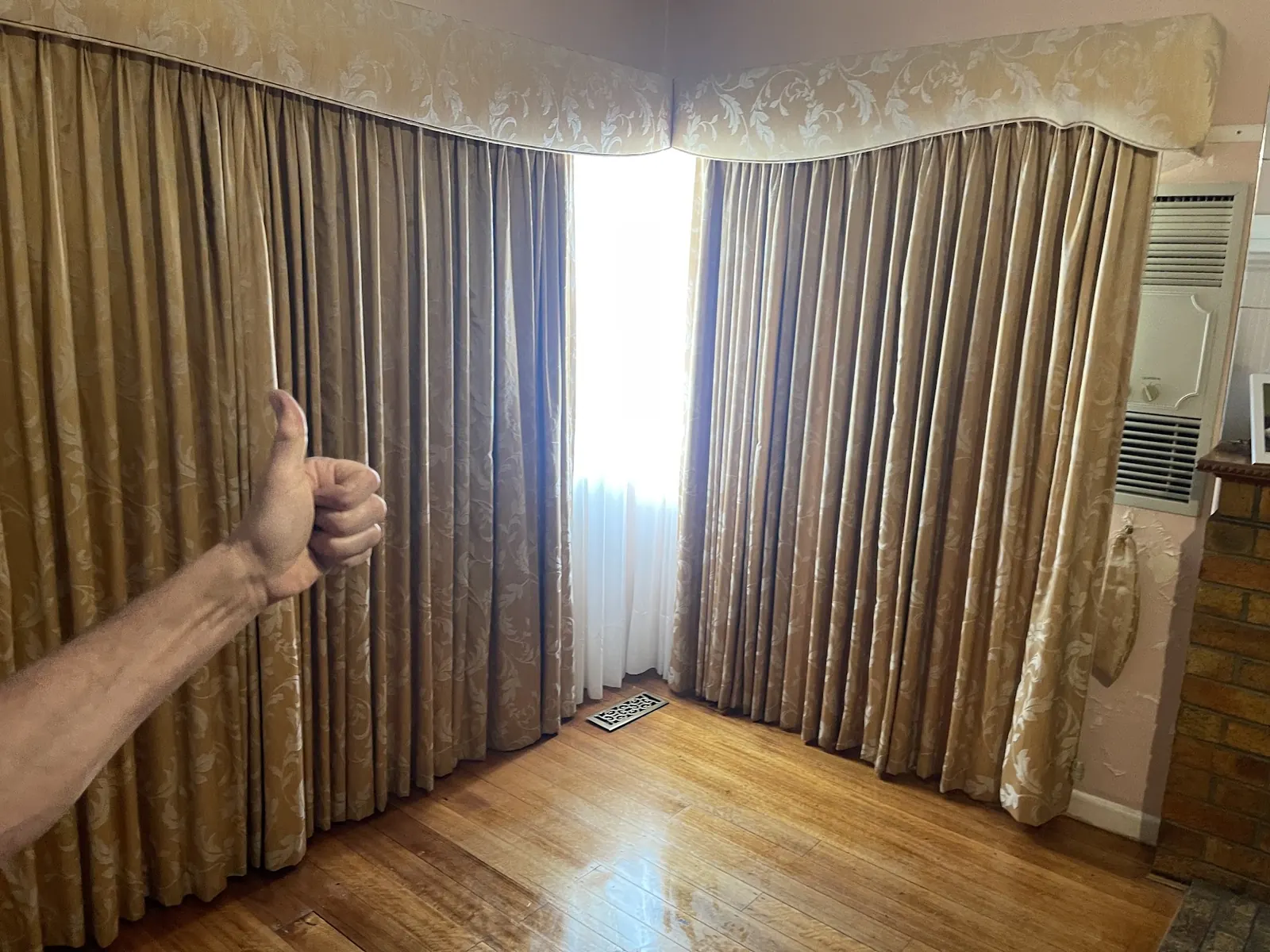
The best way to clean pinch pleat curtains is to leave them hanging: vacuum them top to bottom, spot clean marks lightly, and have a full clean done on the track or by a cleaner who understands drapery. What you're protecting is the stiffened header tape, called buckram, sewn into the top. Soak it, wring it or tumble it and the pleats go limp, lean or pucker, and they rarely come back to how they were.
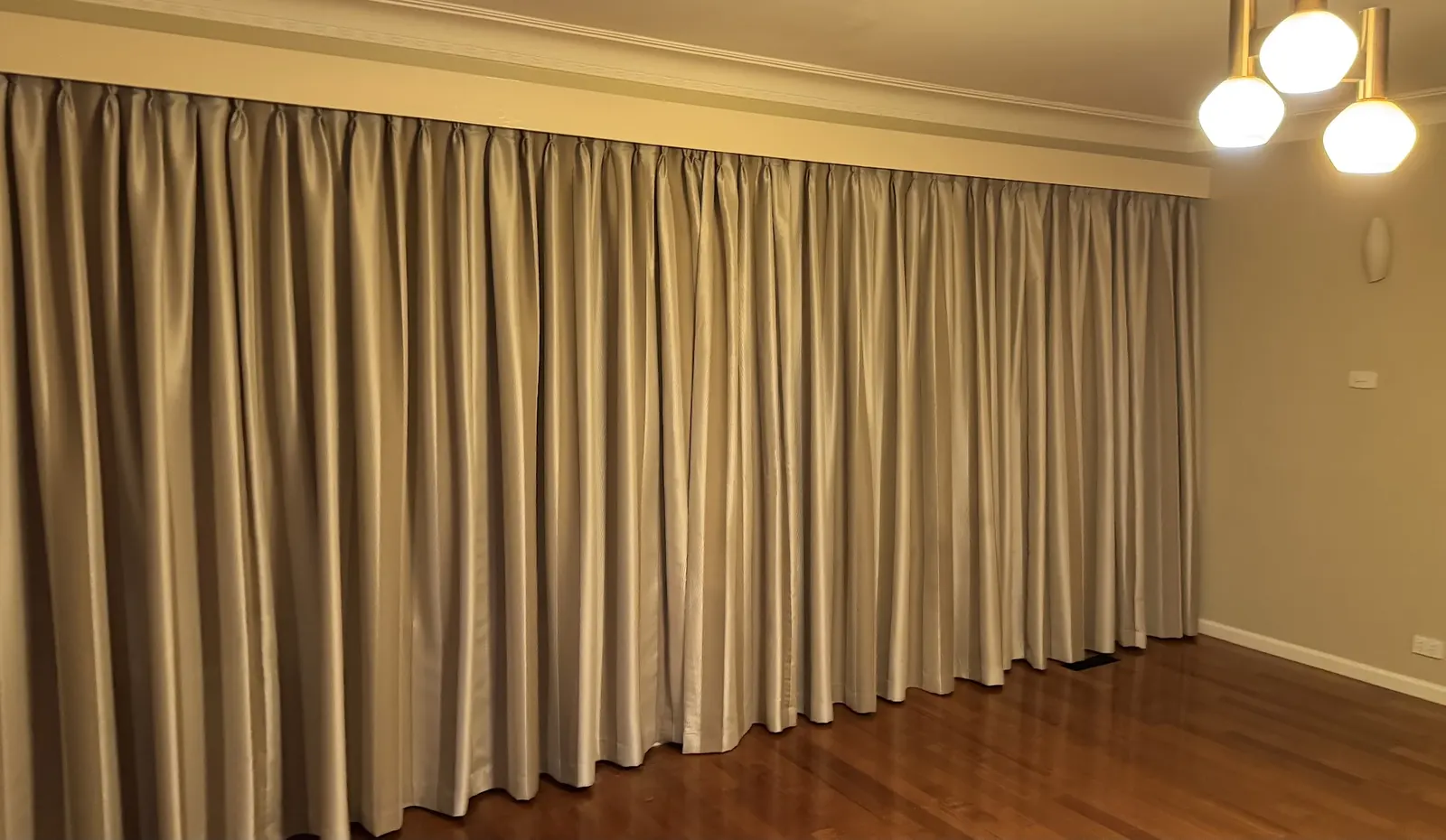
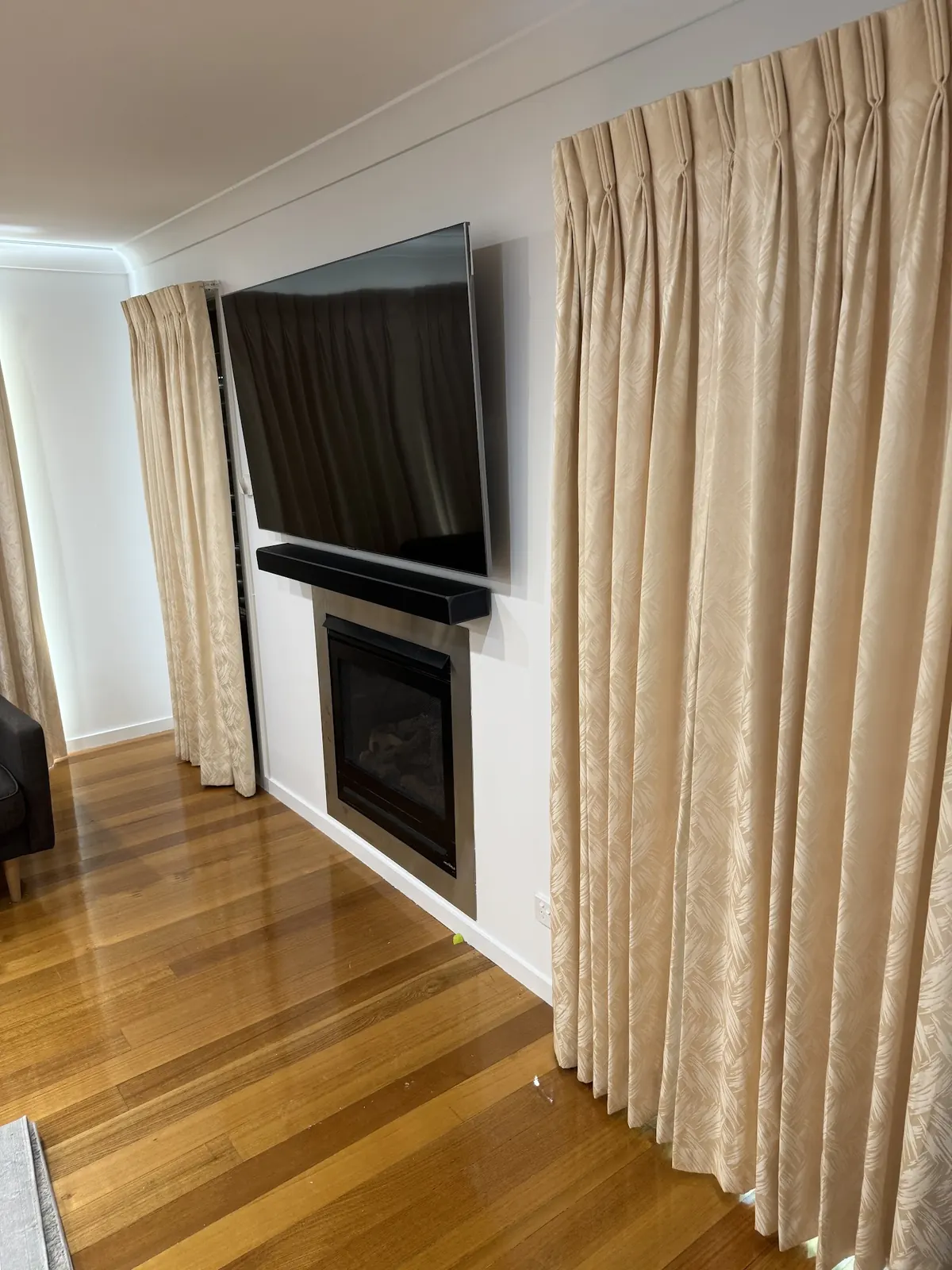
Pinch pleats are a traditional heading, so they're usually on heavier, lined drapes in formal lounges and dining rooms, often under a pelmet. Our drapery cleaning service handles both on site, and our guide to cleaning pelmets covers the boxes above. Here's what to know if you're doing the curtains yourself.
What's inside a pinch pleat heading
Each pleat is a group of two or three folds stitched together at the base, with flat fabric between them. Behind the pleats, a strip of buckram (a resin-stiffened cotton or synthetic interfacing) runs the full width of the curtain, usually 10 to 15 centimetres deep. A metal pin hook or a slip hook sits behind each pleat and clips onto a glider in the track.
The buckram is what holds the pleats upright and crisp. It's also the part that hates water. Many buckrams soften when wet and can't be re-stiffened at home, and some shrink at a different rate from the face fabric and lining, which pulls the header into ripples.
Before you clean: three checks
- Read the label, if there is one. Many pinch pleat curtains were made to measure by a local workroom and have no label at all. Treat no label as dry clean only.
- Squeeze the header. Pinch the top of a pleat between finger and thumb. Firm and springy means the buckram is sound. Soft, papery or crunchy means it's already weakened, and wet cleaning will finish it off.
- Look along the fold ridges. Draw the curtains open and look at the front edge of each fold, the part that faces the window when stacked. Vertical stripes of fading on those ridges are sun damage. Cleaning won't remove them, and a thorough clean can make the contrast more obvious by brightening the protected fabric between them.
That third check catches a lot of people out, especially on north- and west-facing windows. It's worth knowing before you book anything.
How to clean pinch pleat curtains on the track
Dust the folds properly
Close the curtains so the fabric between pleats is as flat as it gets. Vacuum with an upholstery brush on low suction, top to bottom, then open them and do the stacked folds, where dust collects in grey bars. Run the brush gently along the top of the heading and the track, where cobwebs build up behind the pleats.
Spot clean with very little water
Use a barely damp white cloth with a drop of wool wash or pH-neutral detergent. Dab, don't rub, and work from the outside of the mark inwards. Keep water well away from the heading; a wet patch on buckram can dry as a stiff, discoloured line.
Refresh instead of soaking
If the drapes smell stale rather than look dirty, opening the windows on a dry, breezy day does more than people expect. Avoid fabric sprays on lined drapes; they can mark some fabrics and leave a residue that holds dust.
Taking them down without losing the pleats
If you do take pinch pleats down for dry cleaning, set yourself up so they go back exactly as they were. Our guide on taking down and rehanging curtains covers the track side; these are the pinch pleat specifics.
- Tag each panel. A safety pin with a paper label on the back ("lounge, left") saves a lot of guesswork.
- Record the hook height. Pin hooks are pushed into the buckram at a set height. Too high and the track shows; too low and the heading flops forward. Measure from the top of the curtain to the hook on one pleat and write it down.
- Remove every hook. Pin hooks left in can tear through the buckram or rust onto the fabric during cleaning.
- Count pleats and gliders. If the numbers don't match when you rehang, you'll end up with a flat gap or a bunched end.
Dressing the pleats after cleaning
This is the step most DIY guides skip, and the one that makes the biggest difference. Curtain makers call it "dressing" or "training" the curtain.
- Open the curtains fully so they stack.
- Starting at the top, run your hand down each fold so the fabric falls in even, matching columns below each pleat.
- Loosely tie the stack in two or three places with soft fabric strips or old stockings: not tight enough to crease, just enough to hold the folds.
- Leave them tied for two or three days, then release.
The folds will hang in neat columns rather than ballooning out. It works on new curtains and on ones that have been stored folded, too. For more on getting a good fall, see how to make curtains hang straight, and for creases from storage, getting wrinkles out of curtains.
Pinch pleat fabrics at a glance
| Fabric | Safer method | Watch out for |
|---|---|---|
| Lined polyester or poly blend | On-site clean or careful dry cleaning | Lining and face shrinking differently |
| Lined cotton or linen | Professional clean; no home washing | Shrinkage and a puckered header |
| Damask, brocade or jacquard | Professional clean | Water marks and a flattened pattern |
| Velvet | Professional clean | Crushed pile at the base of each pleat |
| Unlined sheer pinch pleats | Gentle clean on the track | Brittle fabric tearing at the hooks |
Unsure what the label on yours is protecting? Our explainer on dry clean only curtains goes through it.
When to call a professional
Vacuuming every month or two and the odd spot clean are fine to do yourself. Get help when the drapes are full-length and heavy, lined, unlabelled or sitting under an upholstered pelmet; when there's mould along the hem or lining; or when they haven't been cleaned in years. Cleaning pinch pleats on the track means the heading, hooks and glider positions are never disturbed. One customer's heavy curtains hadn't been cleaned for many years; they were done on site on a very hot day, and the amount paid matched the quote.
Formal drapes overdue for a clean? Call (03) 7066 4644 or ask for a free quote, and we'll take care of the pleats and the pelmet in the one visit.