Mould & Stains
How to Remove Rust Stains From Curtains (and Find Where They Came From)
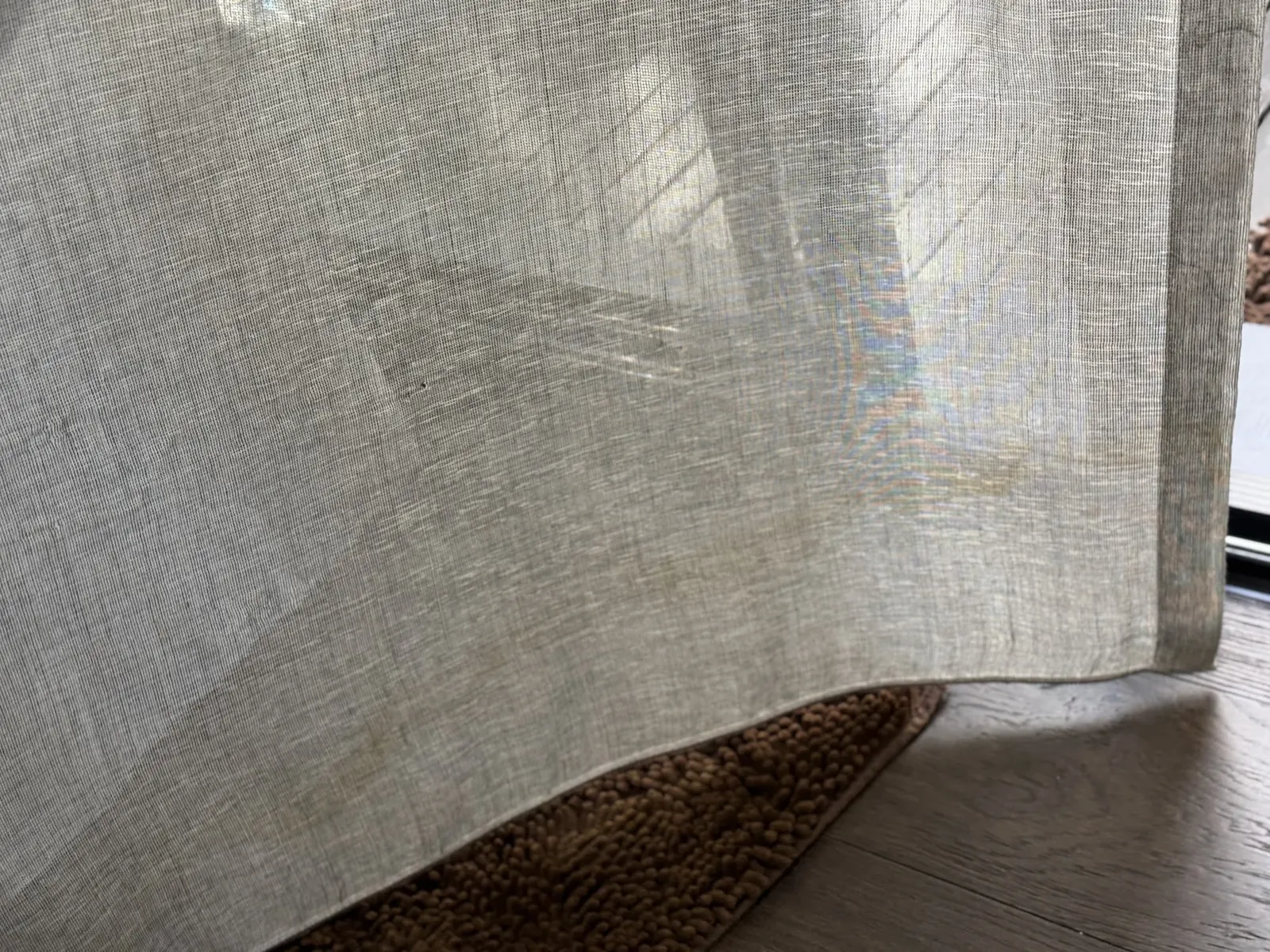
Rust stains on curtains usually come from the curtain's own metal: hooks, rings, eyelets, hem weights or a corroding rod or track. Fix the source first, then treat washable fabric with a rust remover made for textiles or a mild acid such as lemon juice, rinse thoroughly and never use chlorine bleach, which can darken rust and set it. Old rust spots may have already weakened the fibre underneath, so some leave a thin patch or a small hole once cleaned.
Rust is one of the few curtain stains where the "where" tells you almost everything about the "why". If the mark keeps coming back, or the fabric is linen, lined or dry clean only, our curtain stain and odour removal service treats rust as part of a full clean.
Read the pattern: where rust stains come from
Before you clean anything, look at where the marks sit. The pattern is usually a giveaway.
| Where the marks are | Likely cause | Fix the source by |
|---|---|---|
| Evenly spaced dots along the heading | Plated steel hooks or pins rusting in damp air | Swapping to plastic or stainless steel hooks |
| Orange rings around each eyelet | Cheap metal eyelets corroding, or a rusting rod | Checking the rod; replacing the curtain if eyelets are failing |
| Patches in the bottom corners | Metal weights sewn inside the hem | Unpicking the hem and fitting covered or non-rusting weights |
| A streak down from the top or side | Rusty window frame, steel lintel or leaking roof | Repairing the window or leak |
| Random spots after washing | Hooks left in, or a rusty drum or wash tub | Removing hardware and checking the machine |
The hidden hem weight is the one most people miss. Many lined drapes, and a lot of pinch pleat curtains, have small metal weights stitched into each bottom corner so they hang straight. After a few damp winters, rust soaks out through the lining and face fabric in a neat patch. No amount of surface cleaning fixes it while the weight is still in there rusting.
Bayside homes
Salt air speeds up corrosion, so in homes close to the bay, from Port Melbourne down to Beaumaris, cheap plated hooks and steel rods can rust within a few years. Condensation-heavy bedrooms and bathrooms anywhere in Melbourne have the same effect. If you're near the water, stainless or plastic fittings are worth the small upgrade.
Is it rust, mould or a water mark?
These three get mixed up all the time, and they need different treatment.
- Rust is flat orange to reddish-brown, often with a sharp edge, sits right next to metal, and doesn't smell.
- Mould is usually black, grey, green or sometimes pinkish speckles, spreads in clusters, and smells musty. See how to remove mould from curtains for safe handling.
- Water marks are pale brown tide lines with a darker outer edge, where dirt dried at the rim of a wet patch. Getting water stains out of curtains covers those.
A roof leak can leave a combination: a tide line with rust from nails or flashing inside it. Treat the rust first, then the water ring.
How to remove rust stains from washable curtains
This is for fabric whose label allows water washing. Test every step on a hidden spot first, such as the back of a side hem.
- Take the curtain down and remove every hook. Our guide on taking down and rehanging curtains helps if you've got gliders or a wave track.
- Keep it dry and cool for now. Don't wash or iron it first. Heat and alkaline detergents can set rust further into the fibre.
- Apply the remover. A rust remover sold for fabrics works best; follow its directions exactly and wear gloves. Avoid any product containing hydrofluoric acid, which is dangerous to handle at home. For a small spot on white cotton or polyester, lemon juice dabbed on with a pinch of salt is a gentler option.
- Give it time, but not too much. Leave it for the time the product says, or around 15 to 30 minutes for lemon juice, checking as you go. Keep it out of direct sun if you're using lemon; sun and acid together can bleach colours and weaken fibres.
- Rinse thoroughly. Flush the area with plenty of cool water. Acid left in cotton or linen keeps working on the fibres long after the stain has gone.
- Wash as normal, then check before drying. If a shadow remains, repeat once. Don't keep going round after round on the same spot.
What not to use
- Chlorine bleach. It reacts with iron and can turn a light orange mark into a darker, permanent brown one. It also strips colour and weakens fibres.
- Scrubbing. Rust sits in the fibres, and rubbing just spreads it and roughens the surface.
- Mixing products. Never combine rust removers, bleach, ammonia or vinegar.
Fabrics where you should stop
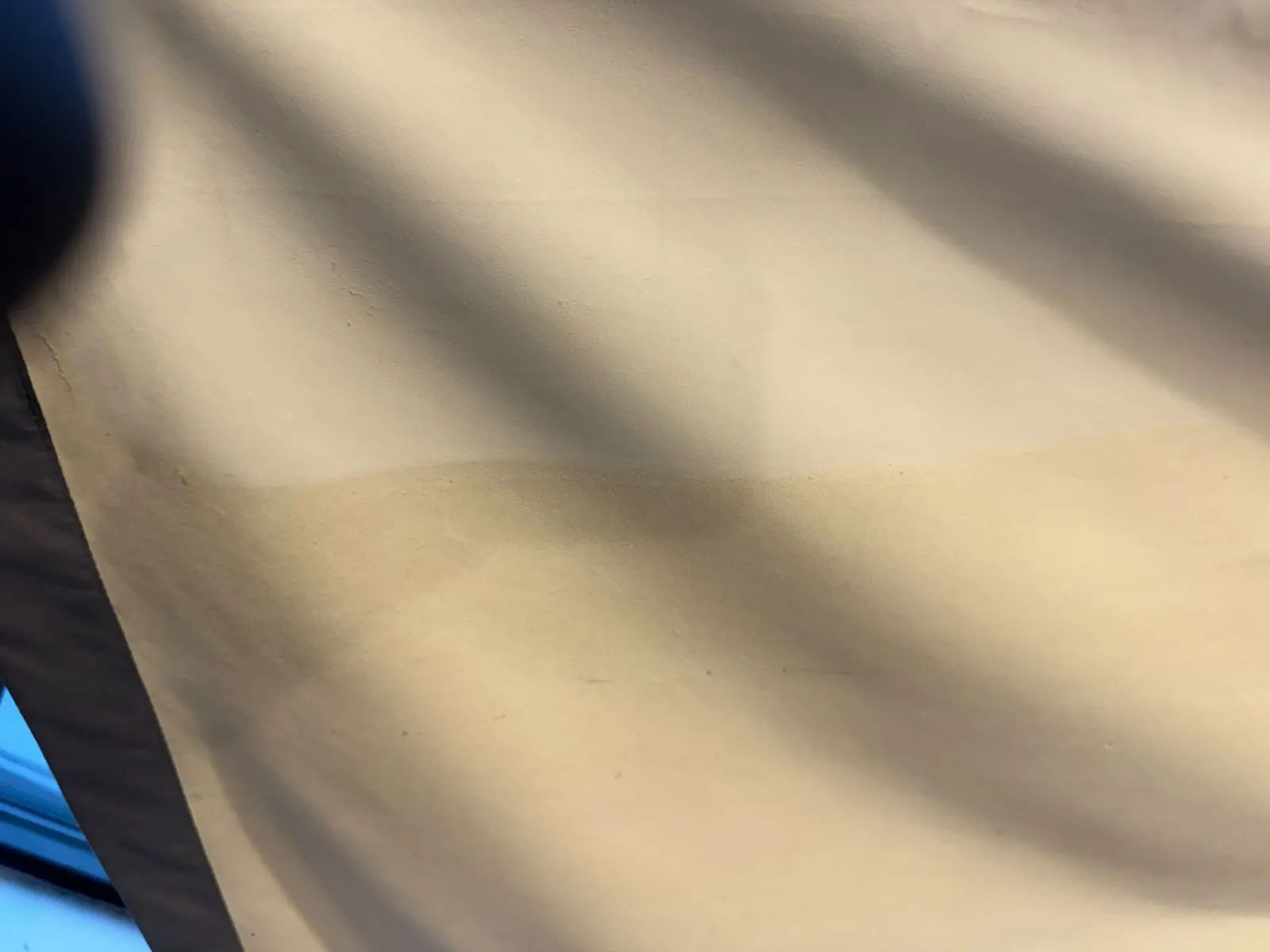
Linen, silk, velvet, viscose and anything labelled dry clean only don't suit home acid treatments. Acids can lighten dyes unevenly and weaken natural fibres, and water on these fabrics can leave its own rings. The same goes for lined drapes, where rust has often passed through both layers, and for coated blockouts, where acid can damage the backing.
Coloured fabric is a risk too. Many rust treatments lift dye along with the stain, which leaves a pale patch where the orange used to be. That's why the hidden-spot test matters.
When to call a professional
A fresh, small rust spot on white polyester or cotton is a fair DIY job. Get help when the fabric is delicate or coloured, when rust has come through a lined curtain from a hem weight, or when it's on a long drop you'd struggle to take down and rehang.
Be realistic about old rust. Iron oxide slowly breaks down the fibres it sits in, so a spot that's been there for years can leave a weak or thin patch once the colour is out. Many rust stains lift completely; some only lighten. We'll look at it, and tell you which is likely before any work starts. Pricing depends on size, fabric and condition, and how curtain cleaning is priced explains the factors.
Orange marks you can't explain? Send a photo through our quote request form or call (03) 7066 4644. We'll help you find the source and tell you honestly what will come out.