Curtain Stain & Odour Removal Melbourne
Different stains need different chemistry. We work out what a mark is before we treat it, because the product that lifts grease can set a rust spot, and the wrong rinse turns a small water mark into a bigger ring.
- Free measure & quote
- Cleaned on the track
- Fabric tested first
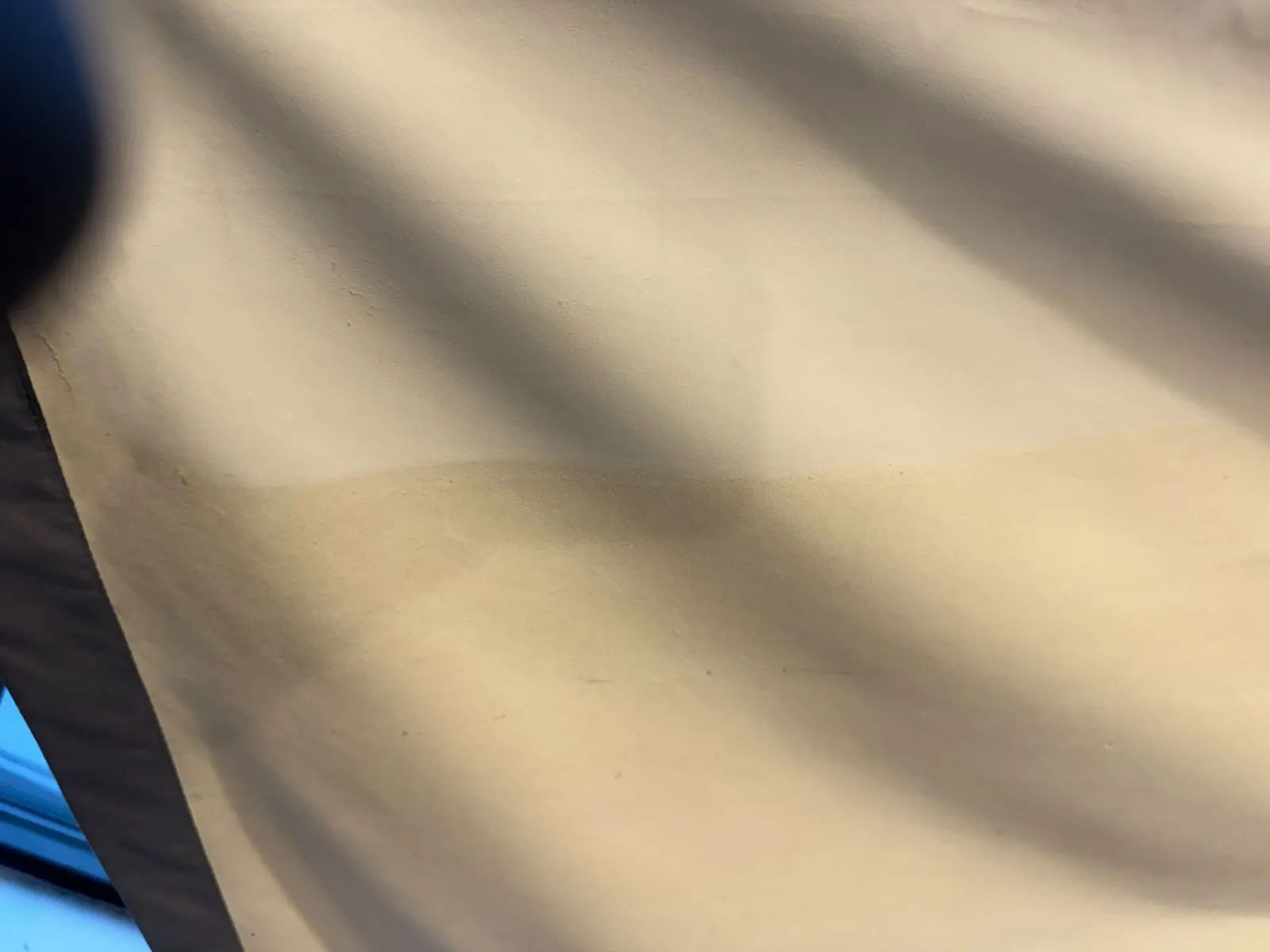
Curtain Stain & Odour Removal: how it works
Curtain stain removal in Melbourne usually starts with some detective work. A brown mark on a hem could be water carrying dust, rust from a hook or hem weight, tannin from a spilled drink, or old mould. Each needs its own treatment, and guessing wrong can lock a stain in. So before anything wet goes on, we look at where the stain sits, its colour and edge, and the fabric, then test the treatment on a hidden spot.
A few typical cases. Water marks and tide lines are treated by cleaning the whole area evenly so no new edge forms. Rust spots from metal hooks, chain weights or a corroding window frame need a rust-specific treatment and should never be bleached. Kitchen curtains carry a film of cooking oil that binds dust, so they're degreased before the main clean. Smoke from cigarettes, a fireplace or a bad bushfire season leaves both a yellowing film and an odour that lives in the fibres and lining. Pet urine and musty smells are treated at the source rather than covered with fragrance. Our guides to smoke smell in curtains and pet hair and smells go further.
Most treatments happen on the track as part of an on-site steam clean. Heavily smoke-affected or urine-soaked curtains, or stains that run through to the lining, may need to come down for a full off-site clean. One customer's heavy curtain stains came out completely; another said expectations were managed well and every stain on the sheers and roller blind was removed. We'll tell you up front which marks we expect to shift and which may only fade.
Stains we treat
- Water marks and tide lines
- Rust spots from hooks, weights and frames
- Cooking grease and kitchen film
- Tea, coffee, wine, makeup and crayon
Odours we treat
- Cigarette and fireplace smoke
- Bushfire smoke after a bad season
- Pet urine and cat spray
- Musty, damp and mildew smells
How we do it
The same six steps on every job, adjusted for your fabric.
- 1
Measure and inspect
We measure every curtain and blind (drop × width across the hem), read the care labels and check the fabric, lining, stitching, sun damage and any mould or stains. You get a firm quote before anything gets wet.
- 2
Test the fabric
A hidden corner is tested for colour-fastness and shrinkage so we choose the right method: low-moisture steam on the track, solvent dry cleaning, or a gentle wash off site.
- 3
Dust and vacuum
Loose dust, cobwebs and pet hair come off first with a soft upholstery head, top to bottom, including the heading tape, hooks and pelmet.
- 4
Pre-treat
Mould spots, water marks, nicotine and food stains get their own treatment, matched to the fabric, so they release instead of spreading.
- 5
Clean
On site, hot-water vapour is drawn through the fabric and straight back out by the extraction wand while the curtain hangs. Off site, curtains are dry cleaned or washed to their label, then dried flat.
- 6
Dress and check
Pleats are dressed, hems hung straight and wave folds reset. We walk round with you, recheck any stain you point out and leave the room as we found it, minus the dust.
From our Google reviews
Danny did an amazing job, he was so friendly and professional. We have four cats who had really made a mess of the curtains and now they look stunning. Excellent attention to detail. Worth every cent.
Arrived on site on time and knew precisely what he was doing. Was very conscientious of the working space and the people operating within it. Ensured the site was left clean and tidy, and a great result.
He vapour cleaned the curtains, removing or lightening all the stains, leaving the curtains fresh and clean. After completing the work we inspected the curtains together and he immediately serviced any pending stains.
Curtain Stain & Odour Removal near you
We come to homes and businesses across Melbourne. Popular areas:
Related guides
Read before you book
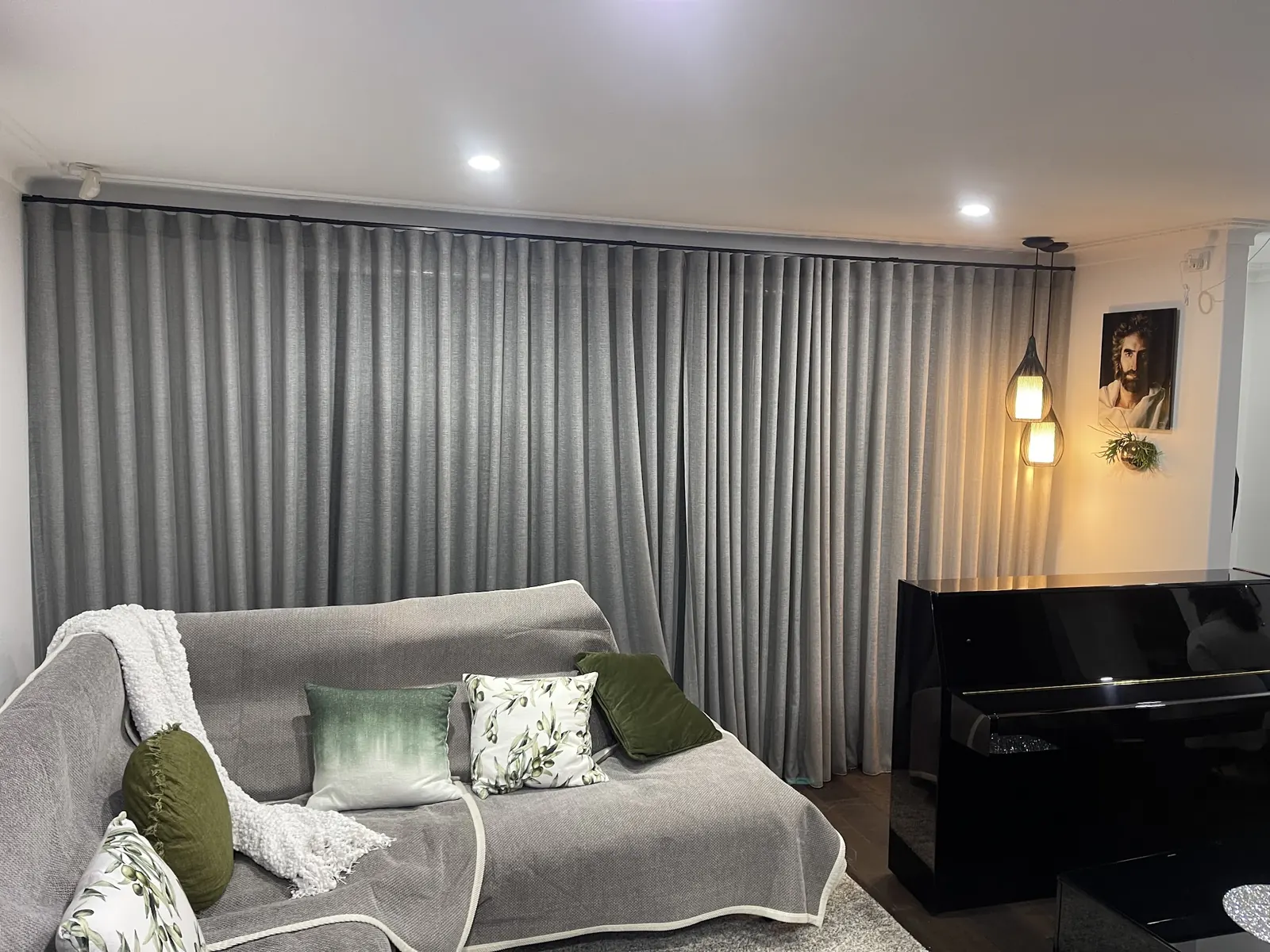 Mould & Stains
How to Get Smoke Smell Out of Curtains
Sprays only cover smoke smell. Here's what actually removes it from curtains, from a quick airing after a wood fire to a full clean after years of cigarette smoke.
Read the guide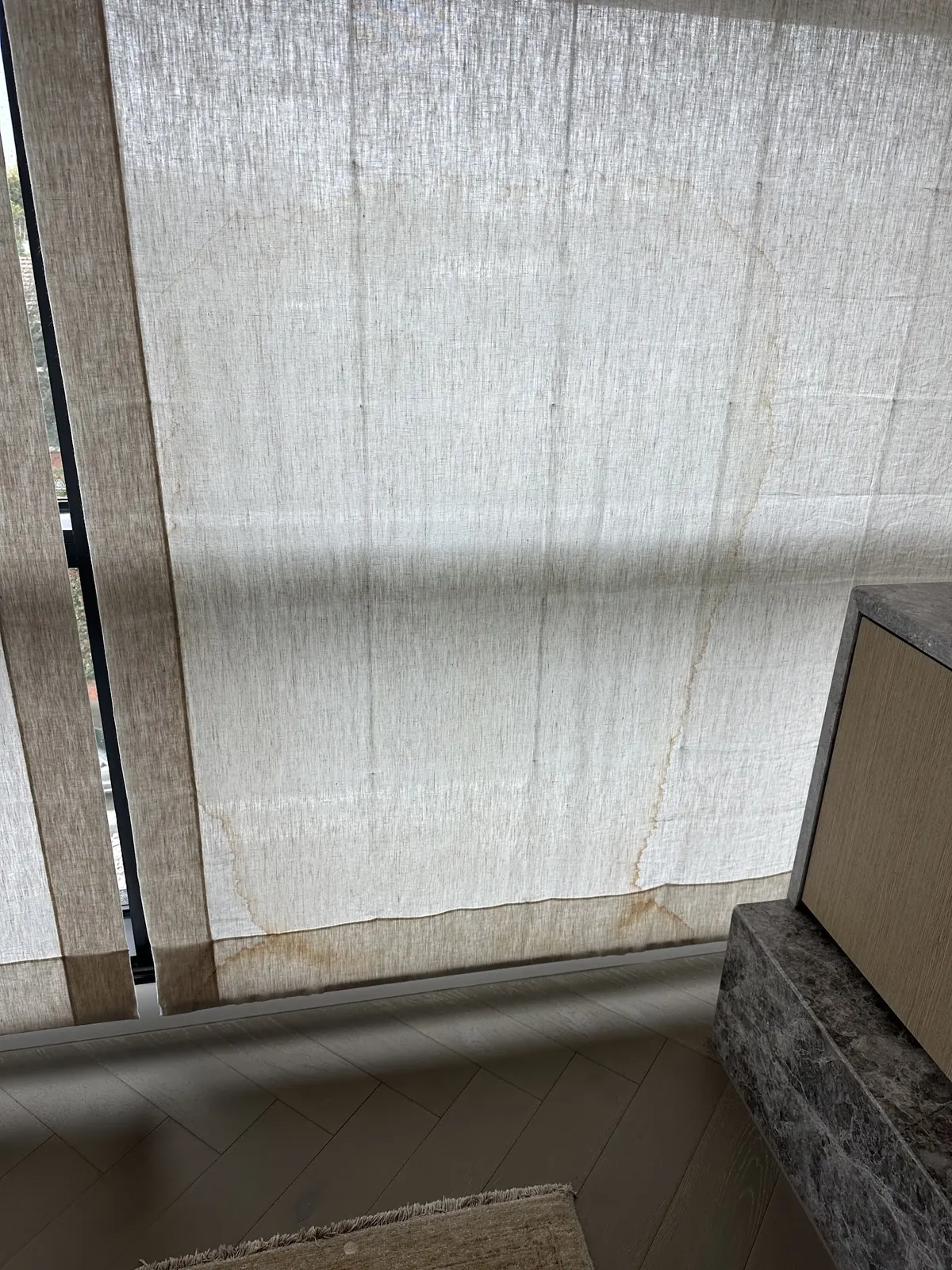 Mould & Stains
How to Get Water Stains Out of Curtains
A water stain is a ring of dirt and minerals left where water dried. Here's how to lift tide lines from curtains without making a bigger ring, and when to stop.
Read the guide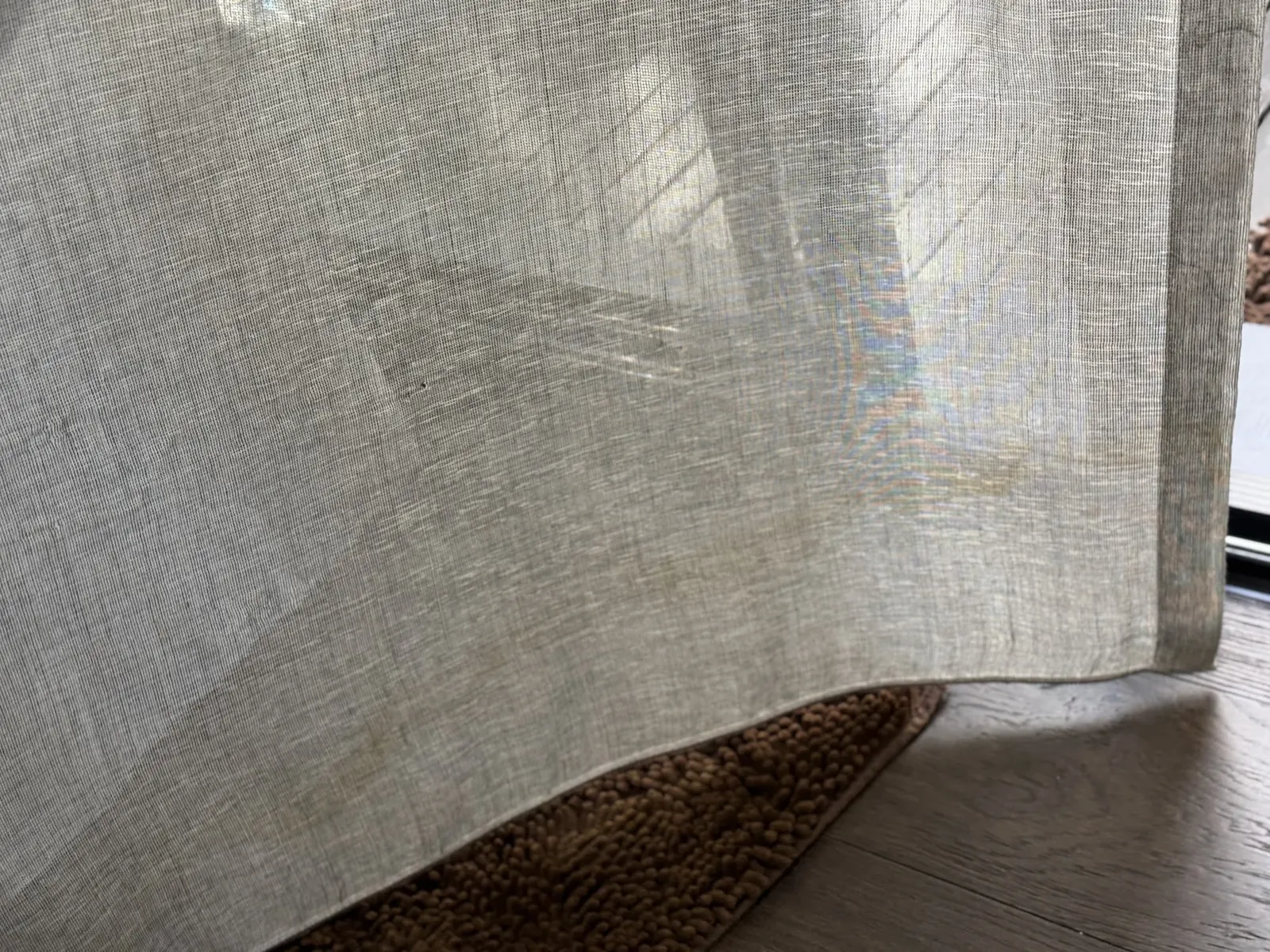 Mould & Stains
How to Remove Rust Stains From Curtains (and Find Where They Came From)
Rust marks usually point straight to their source: hooks, eyelets, hem weights or the window. How to read the pattern, treat the stain and avoid setting it.
Read the guide Mould & Stains
How to Get Grease Out of Kitchen Curtains and Blinds
Cooking oil settles on curtains and blinds and hardens into a sticky film. How to test for it, remove it from fabric and blinds, and keep it off.
Read the guide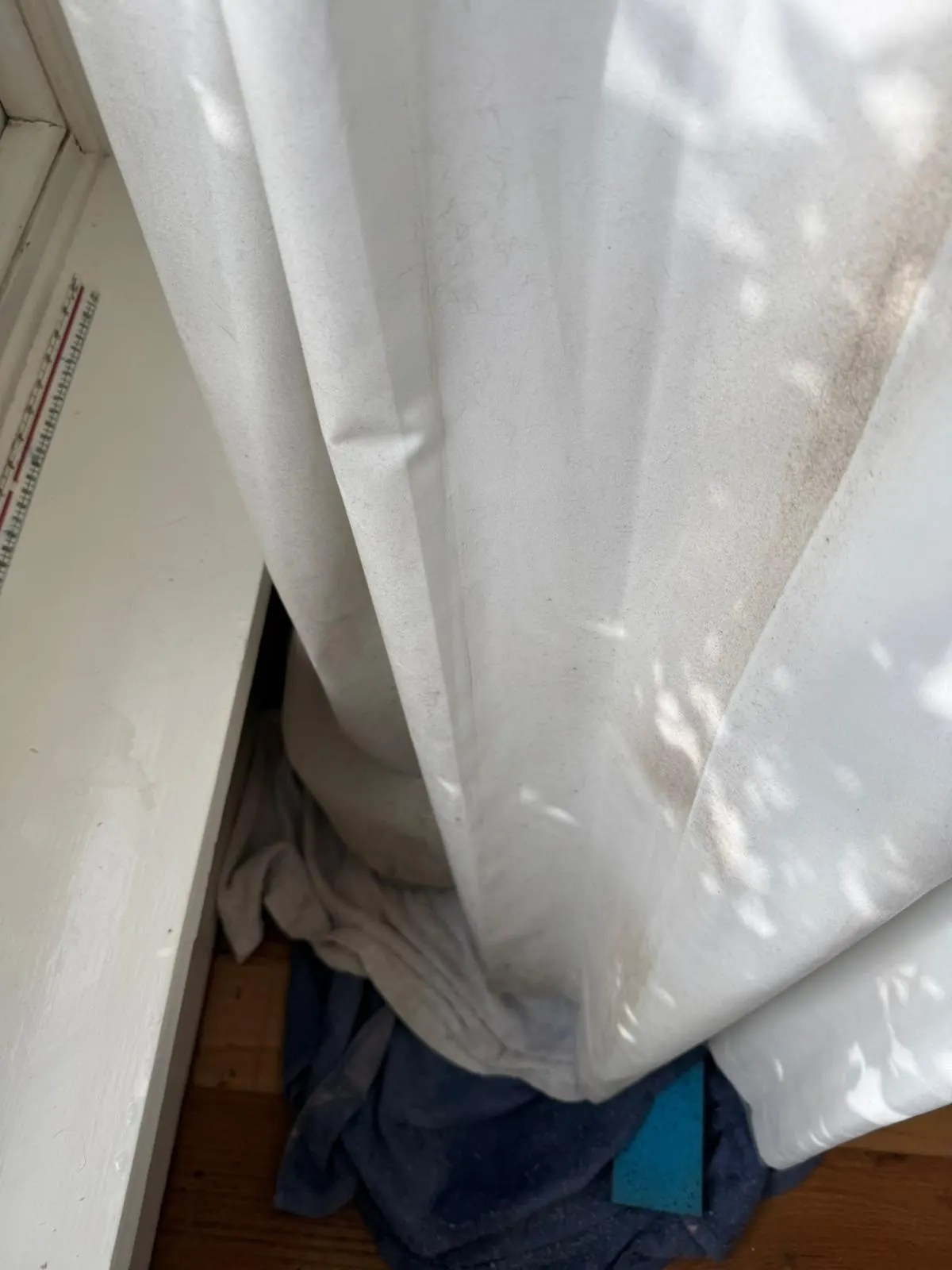 Mould & Stains
Curtains After a Water Leak or Flood: What to Do First
The first 24 hours after a leak decide how much of your curtains can be saved. Safety steps, water types, drying without tide lines, insurance and renting.
Read the guideFrequently asked questions
Why shouldn't you use bleach on a rust stain?
Chlorine bleach reacts with rust and can make the mark darker or harder to shift, and it strips colour and weakens the fibres around it. Rust needs a treatment that dissolves the iron, used carefully and rinsed out properly. Test any product on a hidden spot first, and if the fabric is silk, wool or dry clean only, leave it to a professional.
Can curtains be deodorised without washing them?
Fabric sprays and airing mask a smell for a while, but the source, whether smoke residue, urine or mould, is still in the fibres and comes back on warm or damp days. Removing an odour properly means cleaning it out: hot-water vapour and extraction on the track for most curtains, or a full off-site clean when the smell has reached the lining.
Can old stains on curtains still be removed?
Often, yes, though age makes a difference. Water-based marks like tea or tide lines can usually still be lifted or lightened years later. Stains that have been ironed over, baked in strong sun or treated with the wrong product are harder, because heat or chemistry has bonded them to the fibre. We test the mark first and give you an honest view.
What should I do straight after a spill on a curtain?
Blot, don't rub. Press a clean white cloth against the spill to soak up as much as you can, working from the outside in so it doesn't spread. Avoid hot water, which can set protein and tannin stains, and hold off on household stain removers until you've checked the care label. If it's still visible once dry, call us.
Other curtain cleaning services
Curtain dry cleaning
Solvent dry cleaning for curtains that can't take water: dry-clean-only labels, silk, linen, interlined and pinch-pleat drapes.
Learn moreOn-site steam cleaning
Your curtains stay on the track.
Learn moreTake-down, clean & rehang
For curtains that need more than a clean on the track.
Learn moreSheer curtain cleaning
Sheers catch everything the window lets in: dust, traffic grime, cooking film and condensation.
Learn moreCurtain mould removal
Black spots along the hem, a musty smell, grey patches behind the sofa.
Learn moreDrape & pelmet cleaning
Heavy drapes, velvet, damask, swags and tails, upholstered pelmets and festoon blinds.
Learn moreCurtain pressing
New curtains with packet creases, curtains that came out of the wash wrinkled, or curtains just moved house.
Learn moreBlind cleaning
Roller, holland, sunscreen, roman, venetian and vertical blinds cleaned in your home or office.
Learn moreBook your curtain clean
Free measure and quote, fabric tested before we start, and 5.0★ from 44 Google reviews. Curtains, sheers and blinds across Melbourne since 2001.